And now for something completely different.
— Monty Python
Getting There
I just got back from an awesome and very out‑of‑the‑ordinary trip — fishing… in the tropics.
Huh?
Yeah, I’m still a little perplexed myself. Maybe it’s all the sun and salt water I’ve been marinating in for the last ten days.
Thinking back on this whirlwind, impromptu trip (at least for me), it started about three weeks ago when Charlie pinged me asking if I’d be interested in filling a spot on a Turks and Caicos trip he did last year — fly fishing for bonefish. I’m mostly an “off,” but occasionally “on,” fly fisherman at best, but his retelling of the trip sounded like a blast — sun, sand, fishing, beers, good times and not a lot else. I told him to keep me in mind if a spot opened up again.
Fast forward to early February and Charlie asked if I’d be interested in filling a spot on the 2026 trip, which his buddy Jeremiah has organized nearly every year for the last decade. At first I wasn’t sure the timing would work. A lot was culminating at work and I wasn’t sure I’d be freed up — or if I should disappear for ten days on short notice.
I slept on it and decided to go. How often do you get a chance to do something like this? Especially when all I really had to do was pack a bag and book a flight.
Then it hit me — saltwater fly fishing? I don’t own any of that gear.
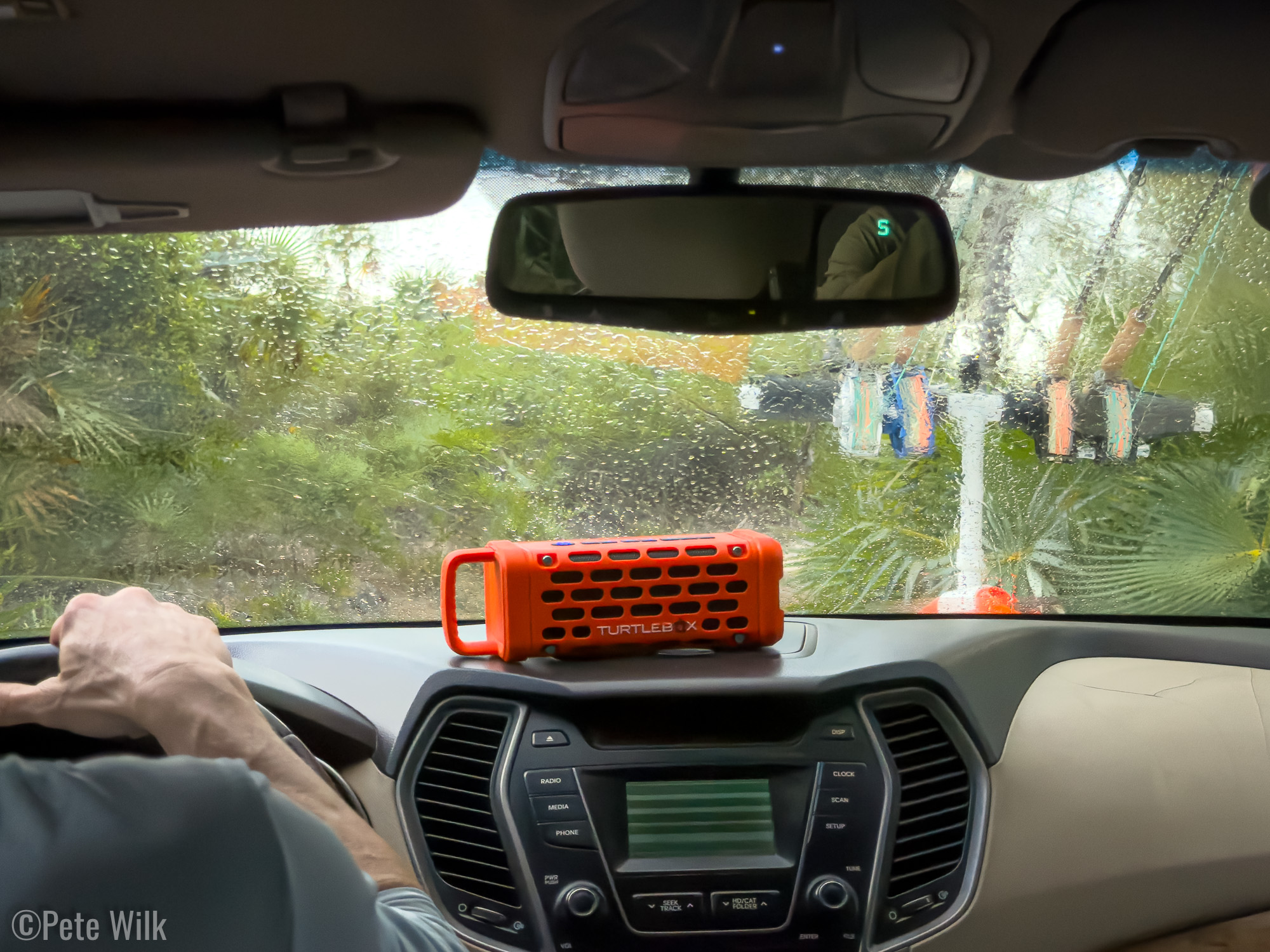
Jeremiah organizes the trip partly for work. He’s a photographer, and the whole thing is made possible through gear loans from companies he works with — Patagonia, Winston Rods, Bauer Reels, Alpacka Rafts, and Turtlebox (burly waterproof speakers). Huge thanks to them for making it happen.
The trip started with a red‑eye flight to JFK. All Delta flights to Turks and Caicos leave from the East Coast in the morning, so unless you want to camp in an airport terminal overnight, the red‑eye is the move.
Kyle, Jeremiah, and I managed a little sleep on the first leg — Comfort or First makes a difference on a red‑eye. After coffee and breakfast in JFK we caught the second leg to Providenciales (PLS). I had a window seat and there was no mistaking where we were landing.
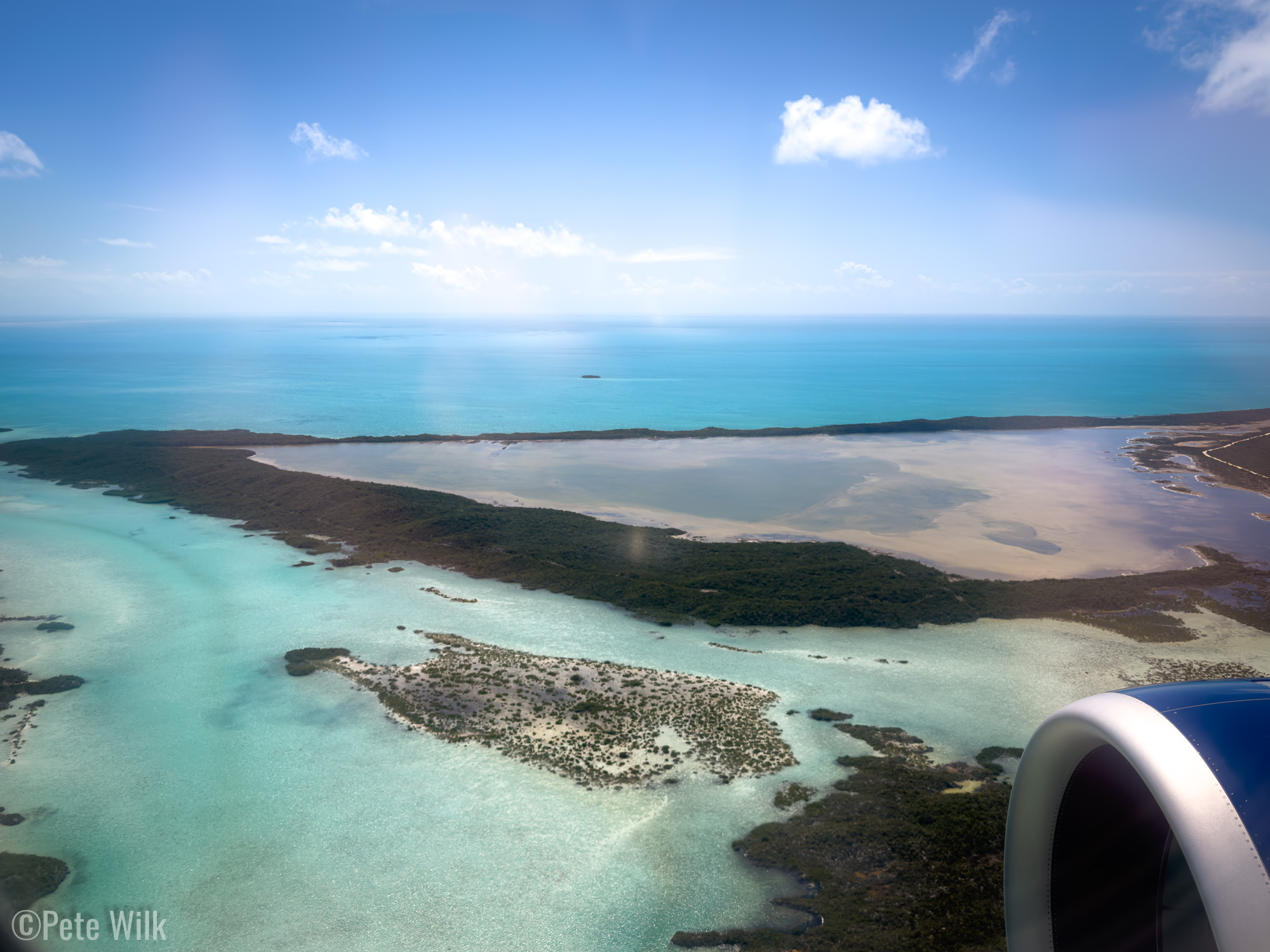
Lush green dots scattered across bright blue water, ringed with white sand.
Getting off the plane was an outside affair — no air‑conditioned jetways between aircraft and terminal. I walked down the ramp onto the tarmac, squinting into the blazing sun and immediately feeling the humidity settle in. Thankfully there was a breeze to keep things from feeling like a full sauna right away.
PLS is small, maybe half a dozen gates, but it was buzzing. Kyle, Jeremiah, and I cleared customs without a hitch and headed to the airport bar for lunch while we waited for Bruce, flying in from South Dakota to round out our quartet.
Turks and Caicos, where the hell is that?
That was the same question I had when Charlie first mentioned it. I’d never heard of the place. It’s a British territory southeast of the Bahamas, somewhere I’d never given a second thought to before this.
The island with the airport, Providenciales (“Provo”), is the most populated and touristy. Your standard beachside resorts, hotels, and all‑inclusive spots. The larger islands, North and Middle Caicos, are much slower and less populated —more conducive to the kind of fishing we’d be doing.
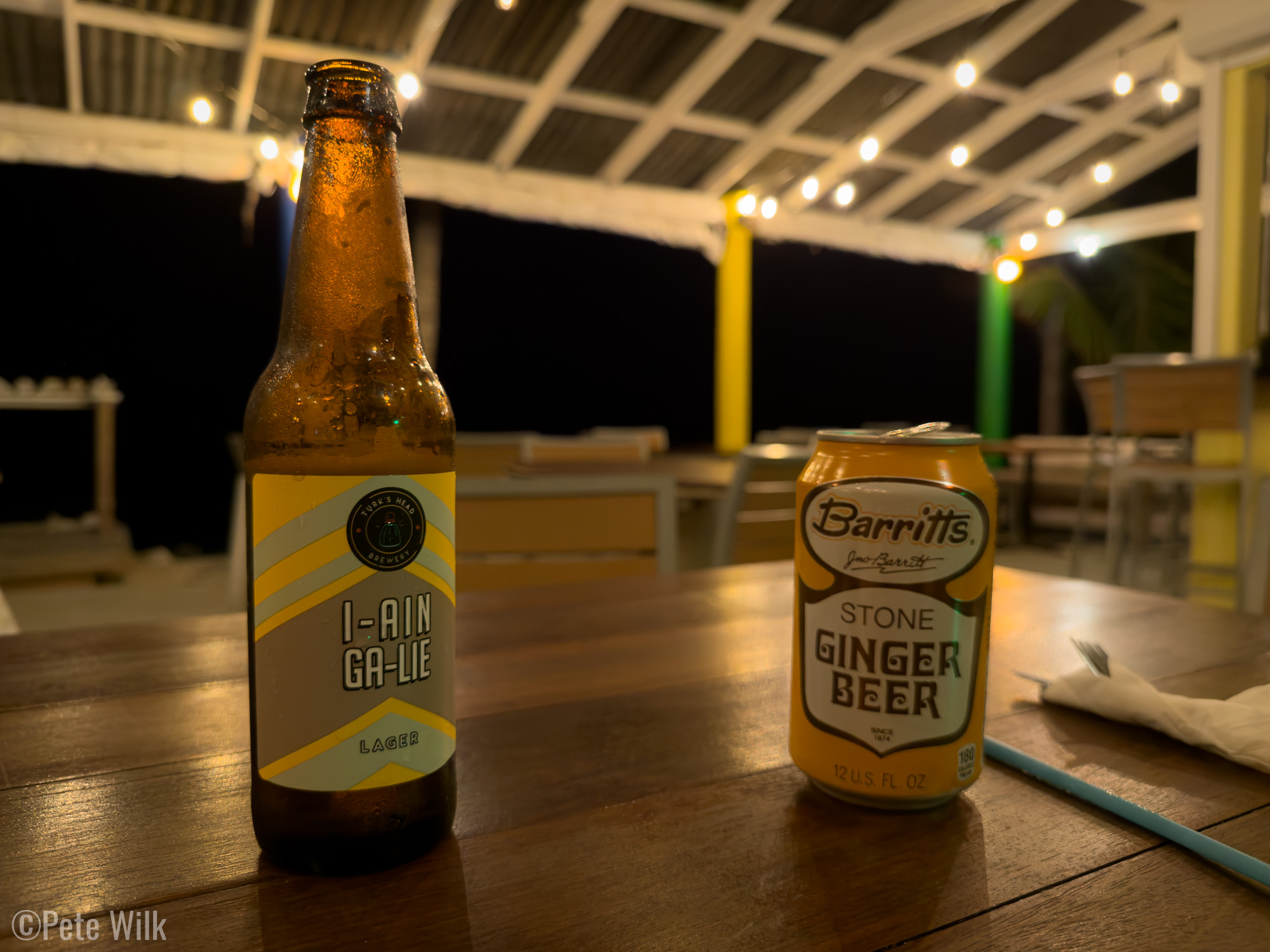
After sharing a cab to the ferry terminal we bought fishing licenses and grabbed a couple canned Bambarra rum and colas. Turns out rum and Coke still tastes exactly like college. It was the only one I had the entire trip.
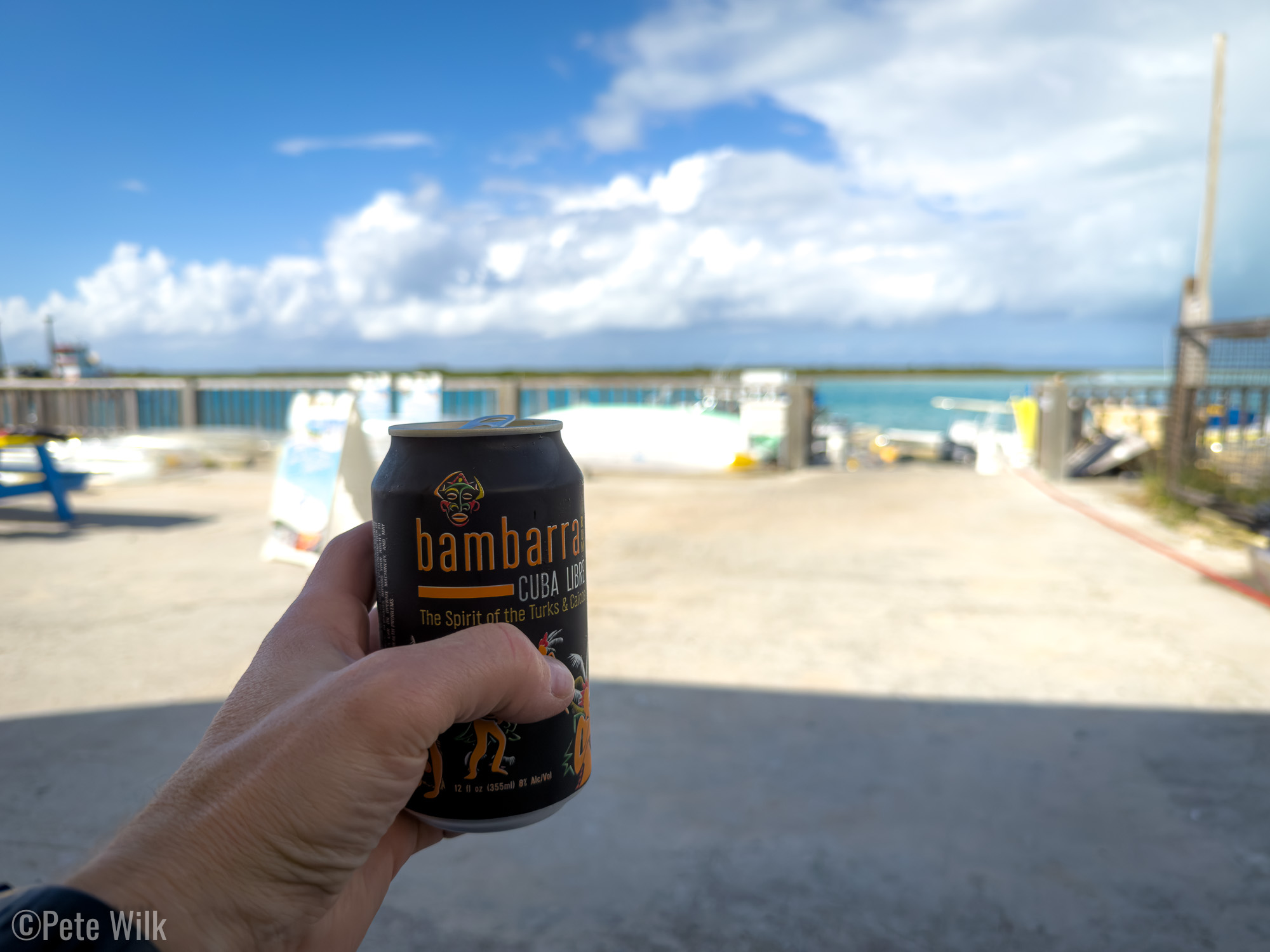
We blasted across the relatively protected water between the islands with a handful of tourists and a bunch of locals heading home or back from shopping on Provo.
Stepping off the ferry onto North Caicos felt like a different world.
Life slowed down. No rushing. Not many people. Few amenities and, I assumed, better fishing.
After receiving what was probably a flood damaged insurance write‑off compact SUV from the rental car company, we headed to the house. Winding along the island’s one main road I saw houses falling apart and slowly being reclaimed by tropical foliage — some clearly inhabited, others not.
The residents never seemed to be in a rush to get anywhere. I’ve seen “island life” bumper stickers before, but I started to understand the meaning as the trip went on.
Our rental house was a large yellow concrete building with several apartments. It sat on a small knoll overlooking the water and had a balcony that provided a great vantage point over much of the water we’d be fishing.
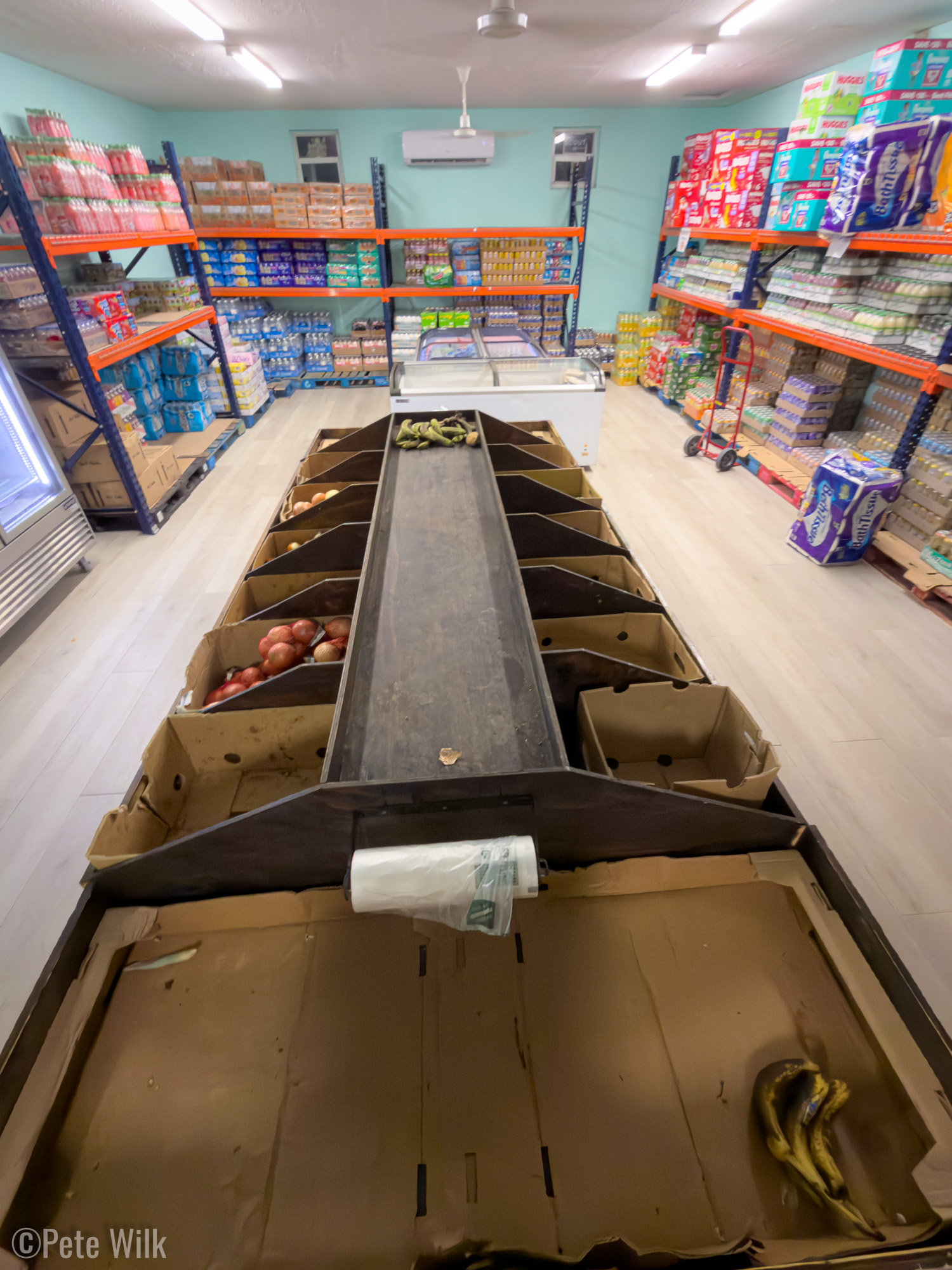
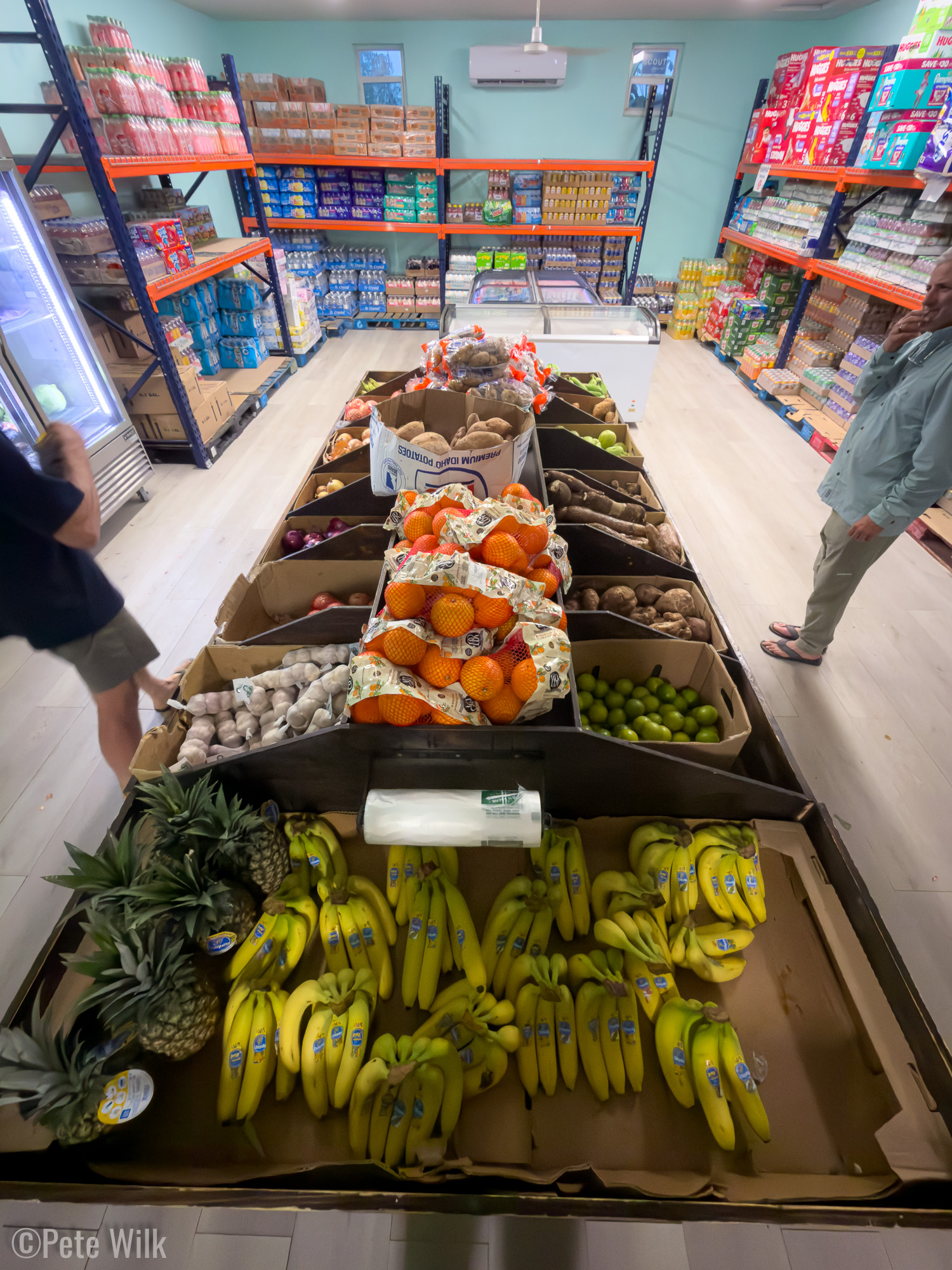
After dropping our bags we stopped at one of the local grocery stores to stock up on food. It was an interesting mix of things — pretty much everything you could need, but maybe not exactly what you wanted. Seven pound container of seasoning salt anyone?
Keep in mind that everything arriving at the store first comes by truck. That truck was filled from a ferry. And that ferry was filled from either an air shipment or a long boat ride from somewhere else.
Not much is produced or grown locally.
Gas, for example, was about $7 a gallon.
Getting on the Water
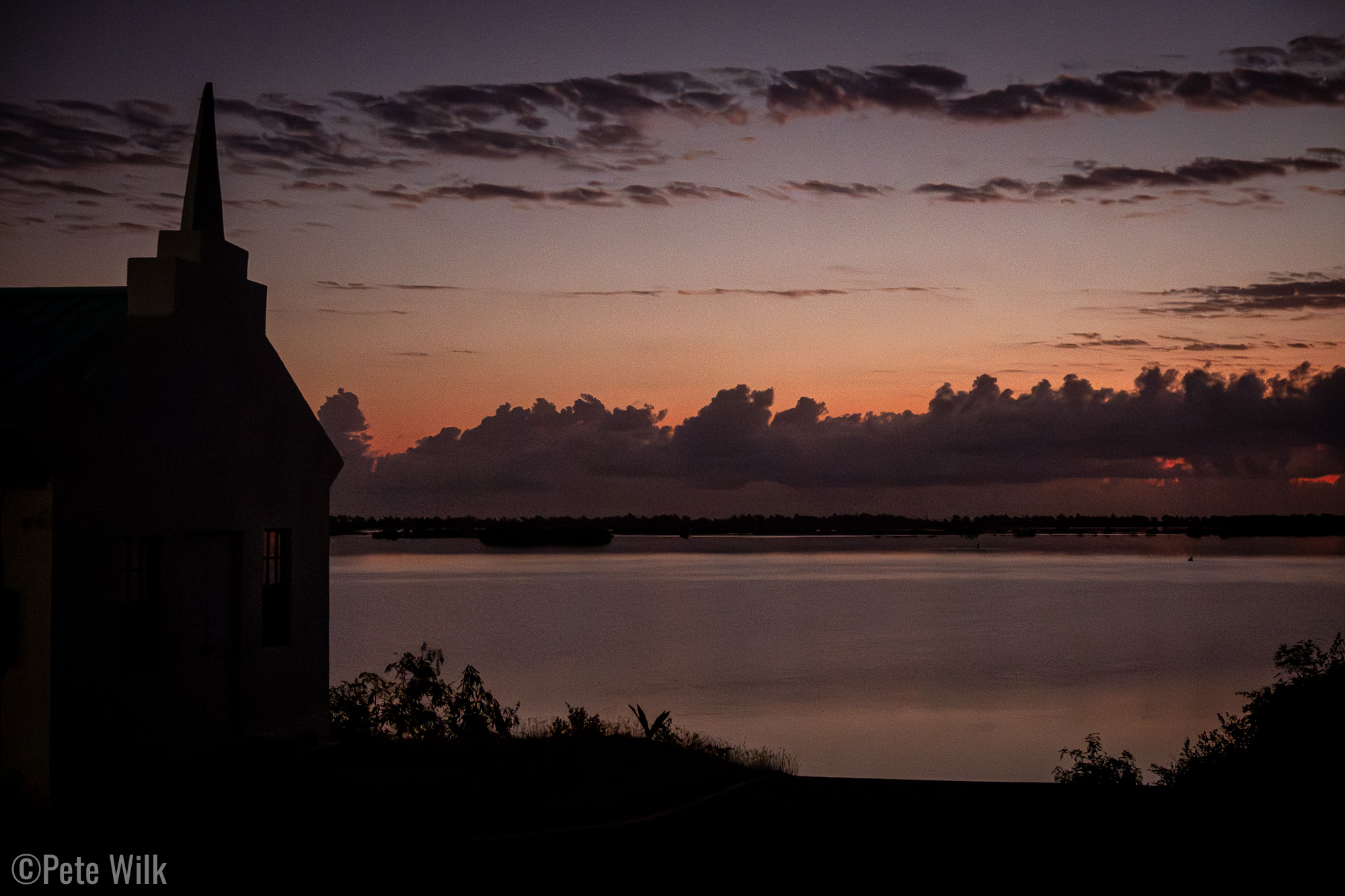
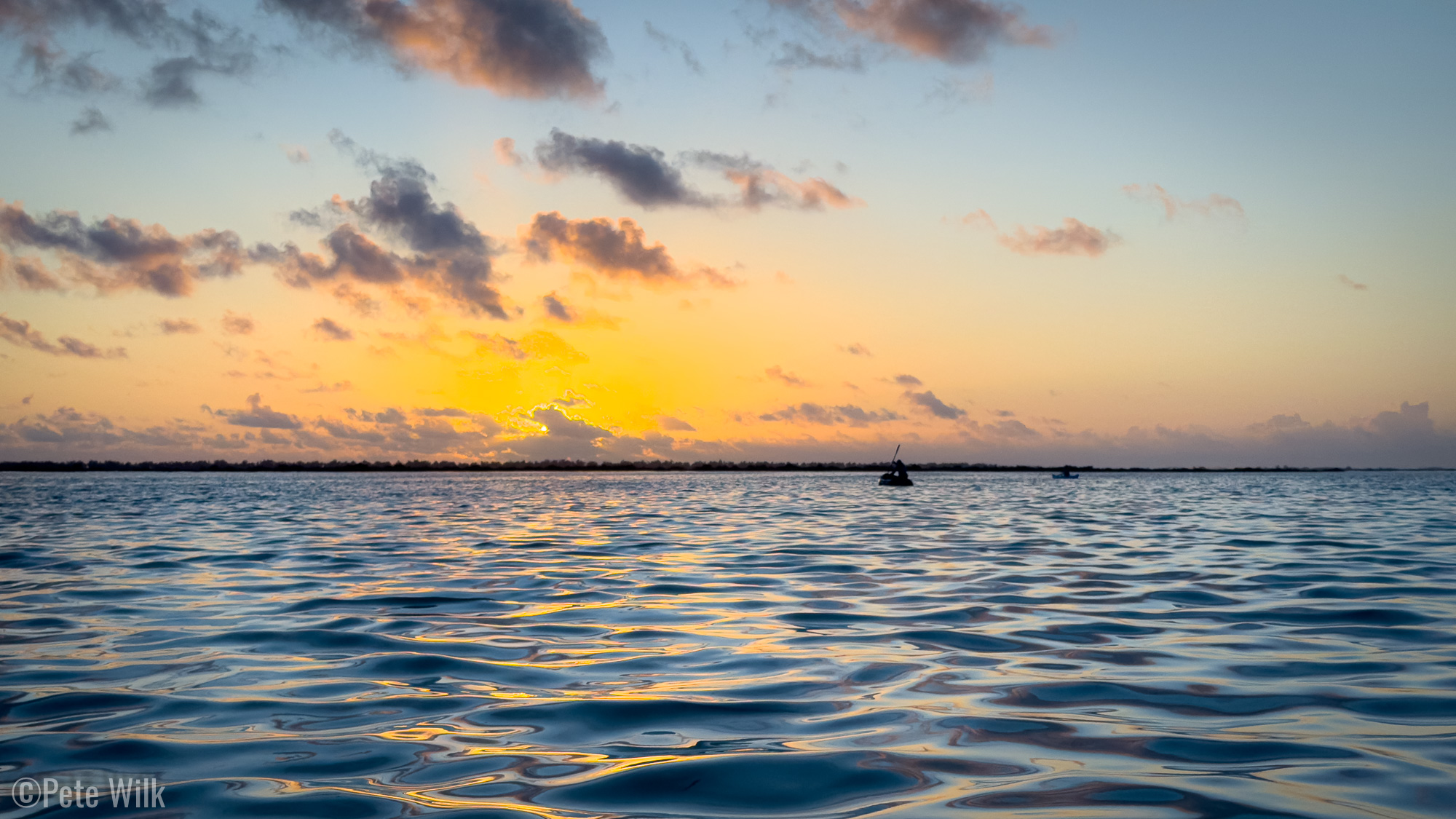
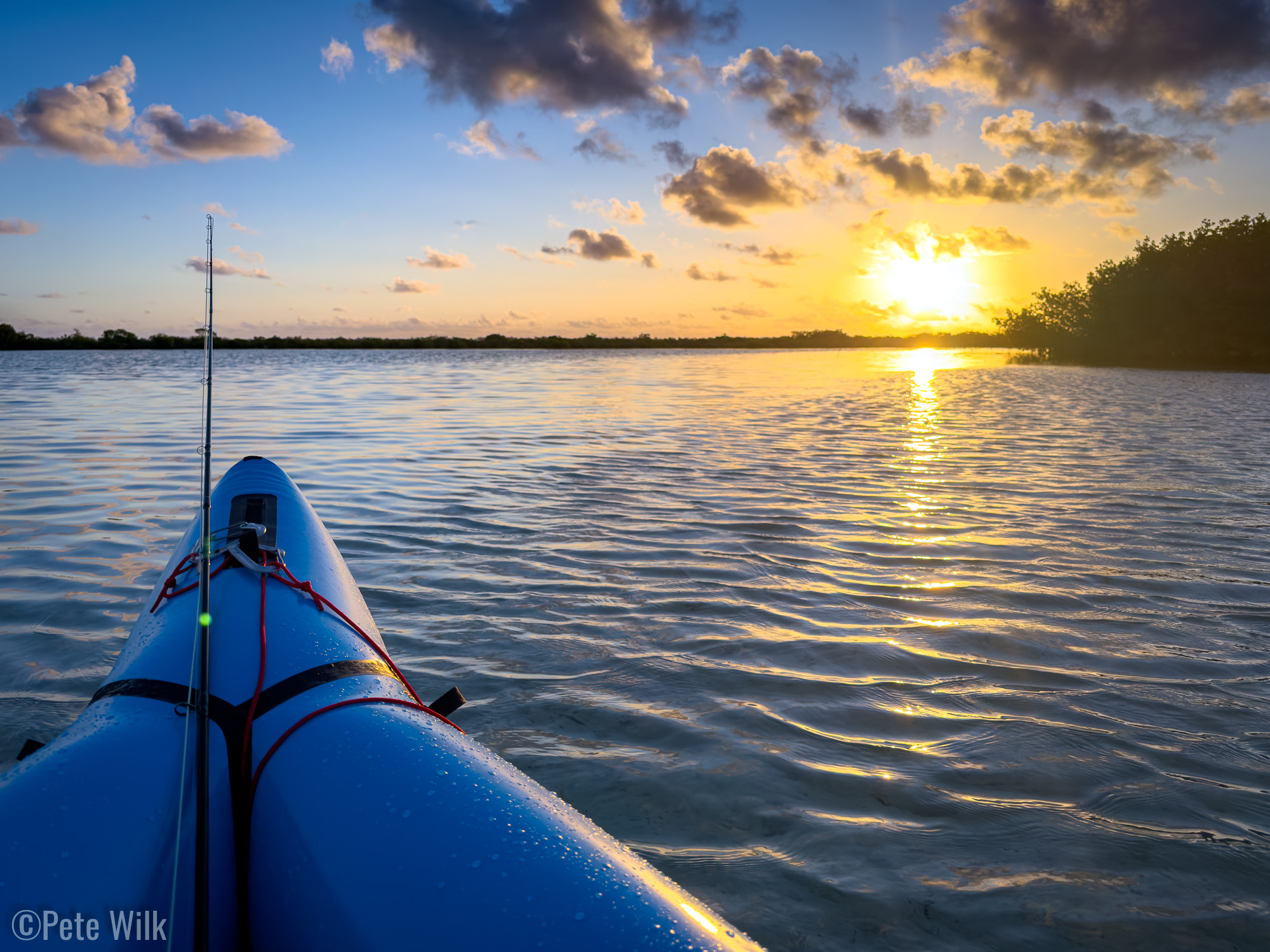
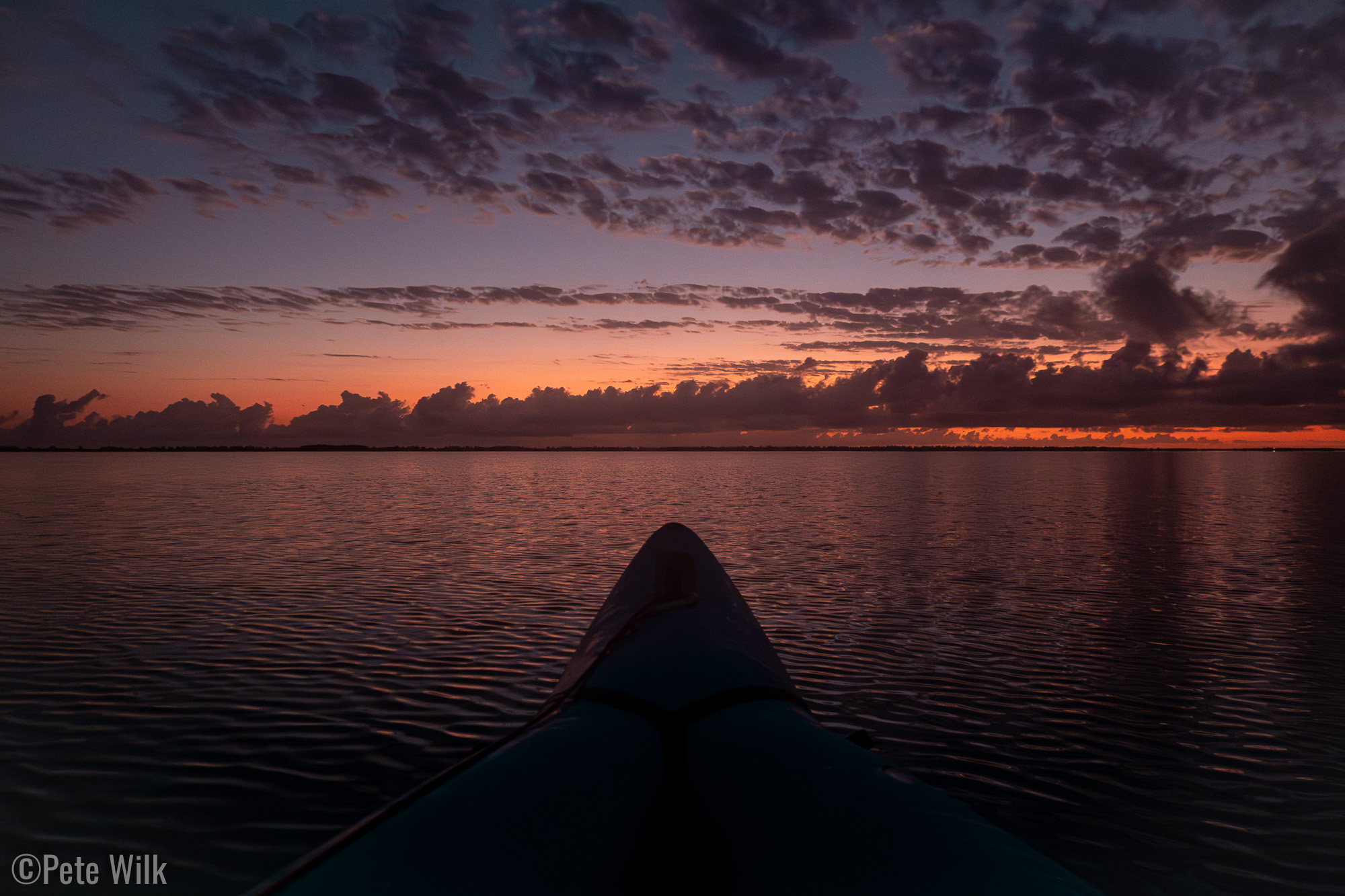
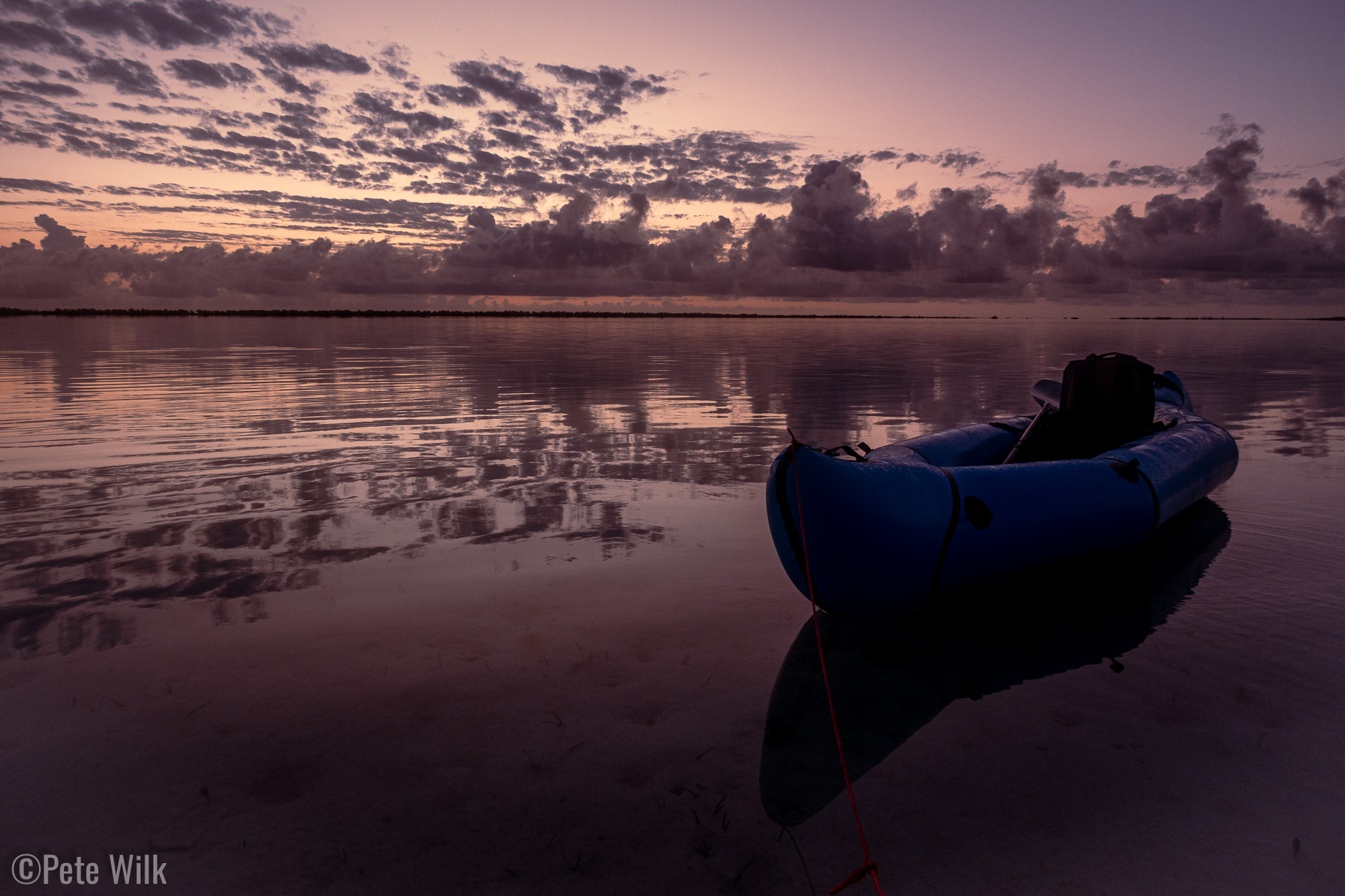
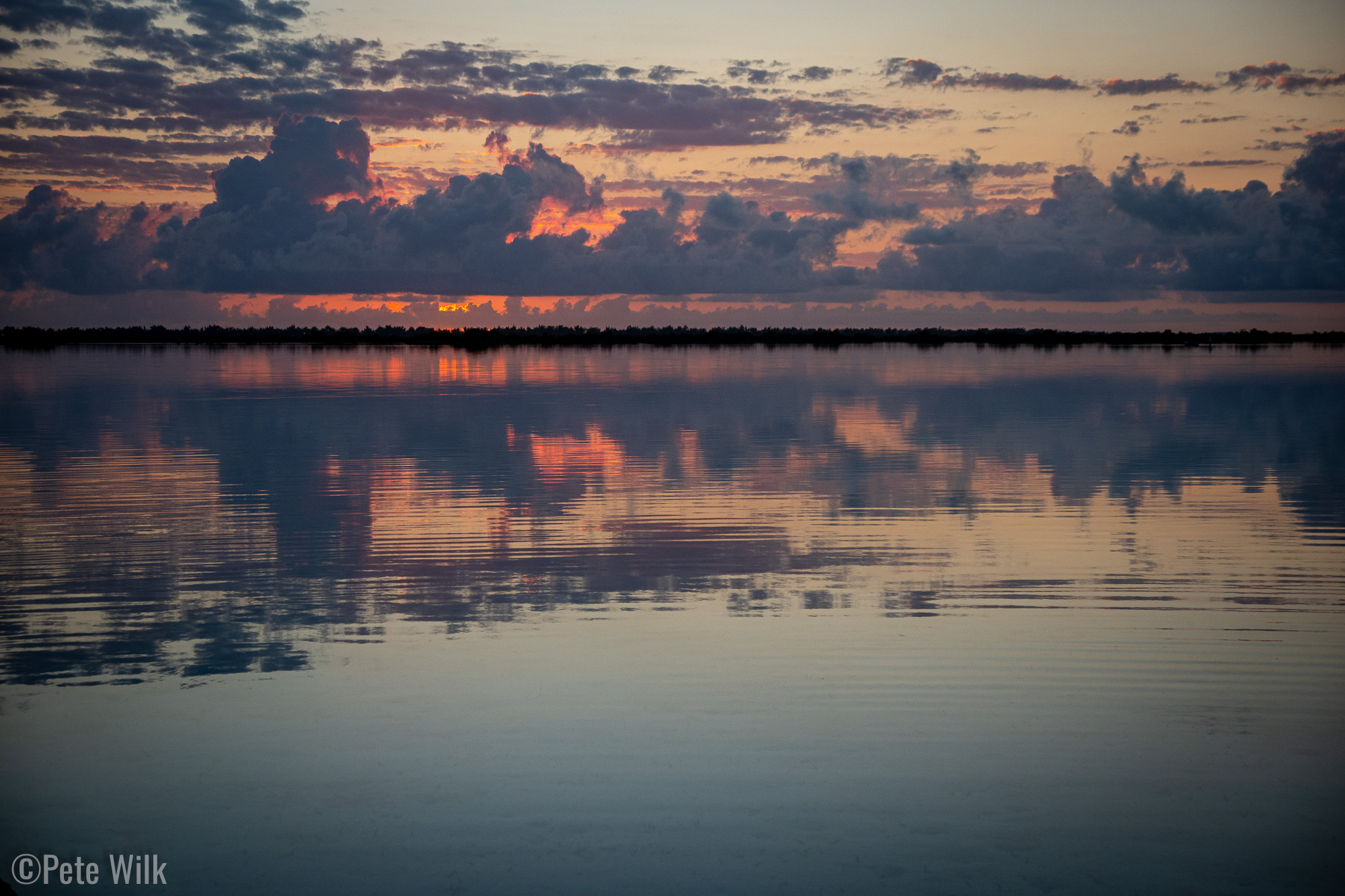
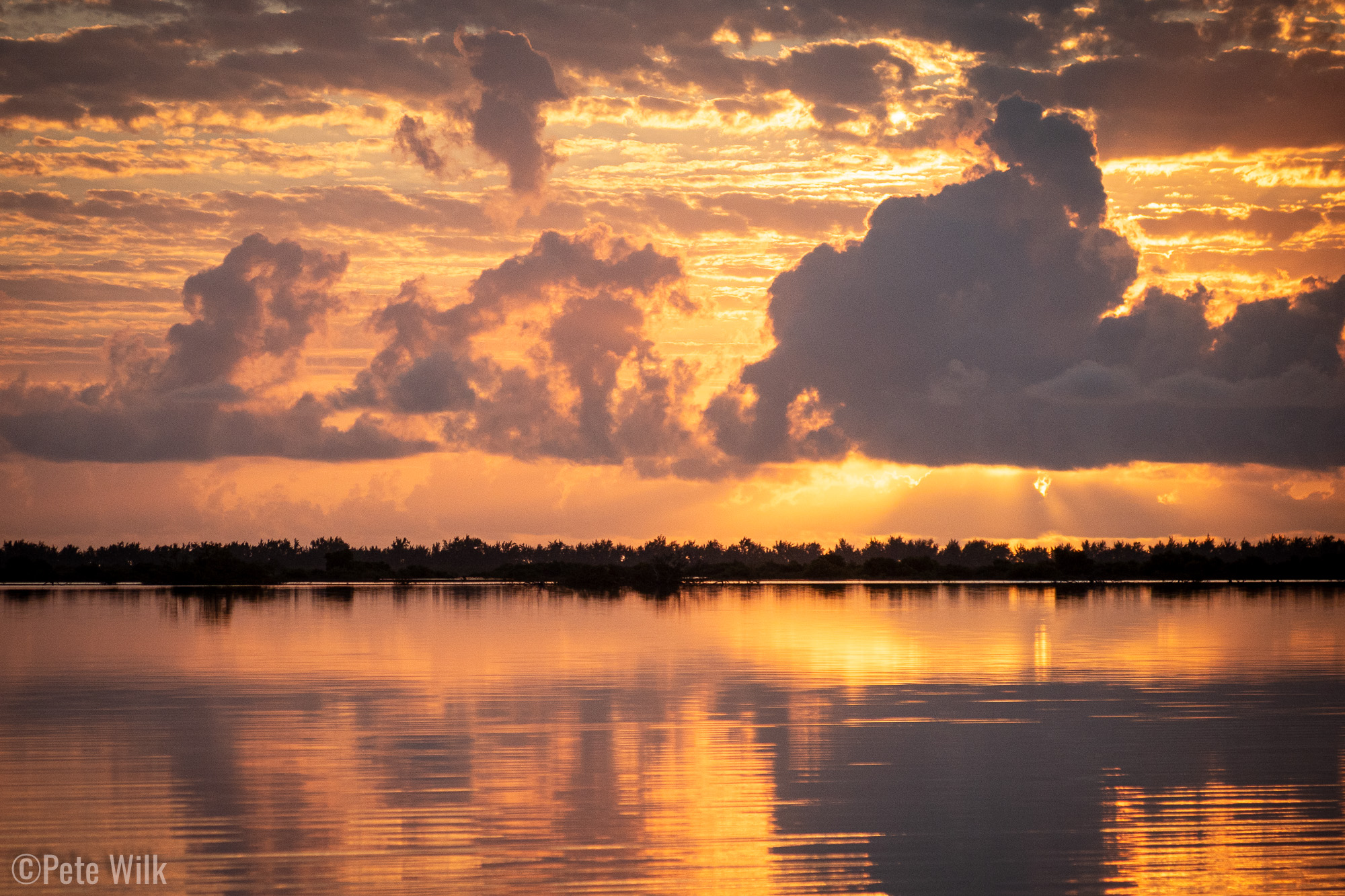
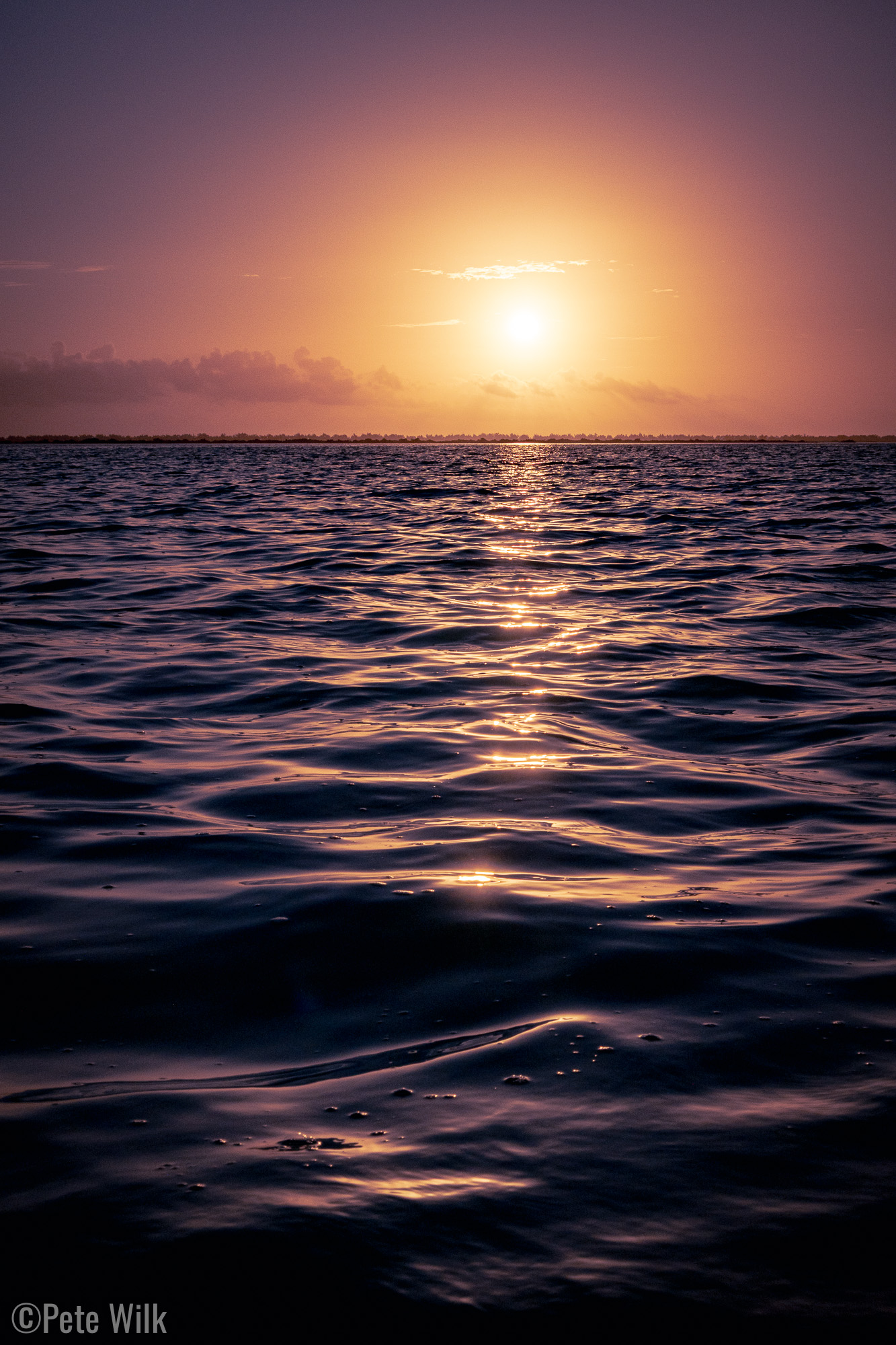
Despite being two hours earlier than Mountain Time, we all woke up early and caught the sunrise. It would be the first of several that were stunning. There’s something about the light in the tropics that feels different from the Mountain West. Maybe it’s the heat, the humidity, sea level elevation, or just the fact that there’s nothing in the way to block the sun as it crests the horizon.
I still think alpine glow in the desert or high in the mountains wins in a head‑to‑head, but it was closer than I would have expected.
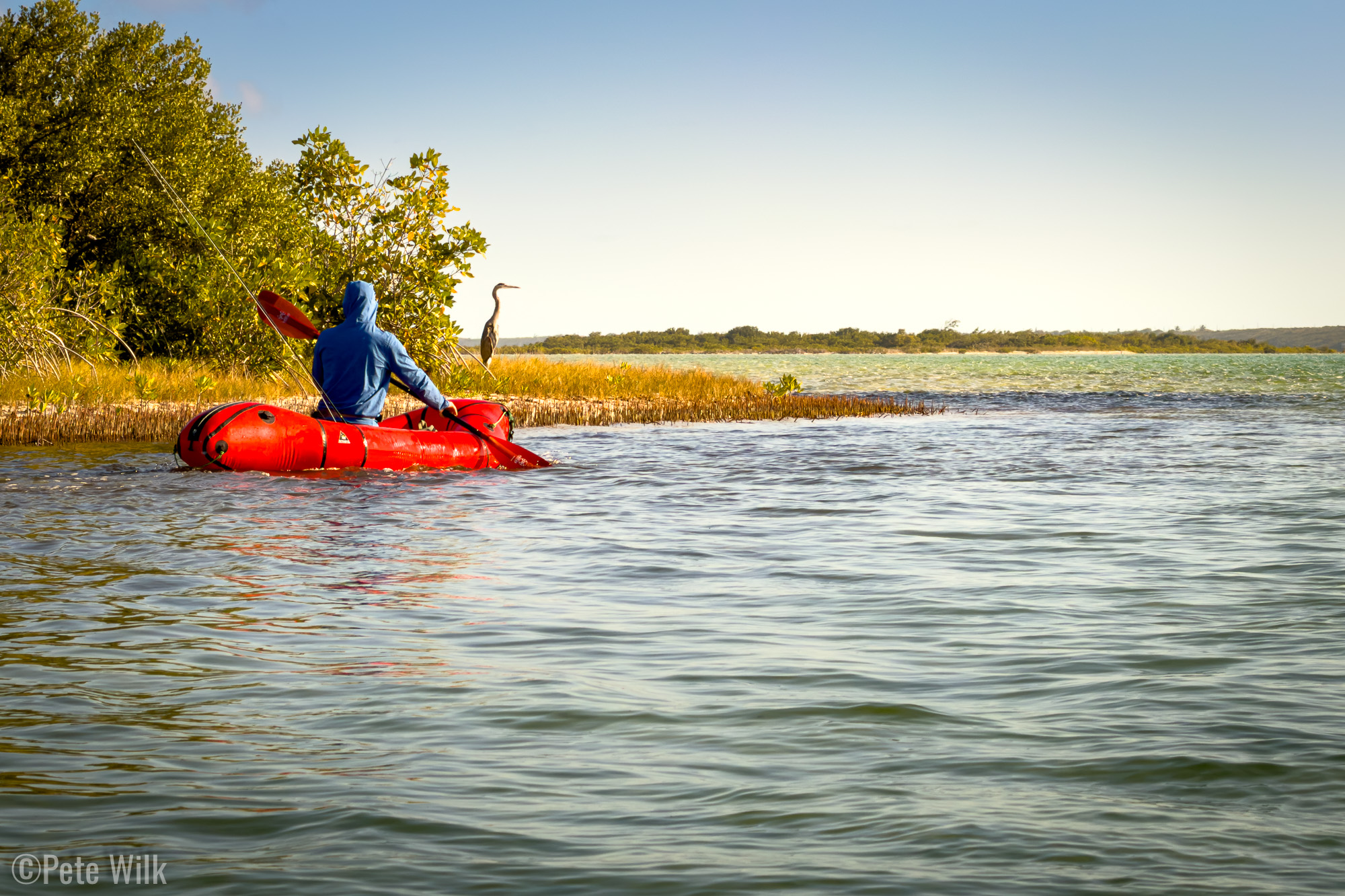
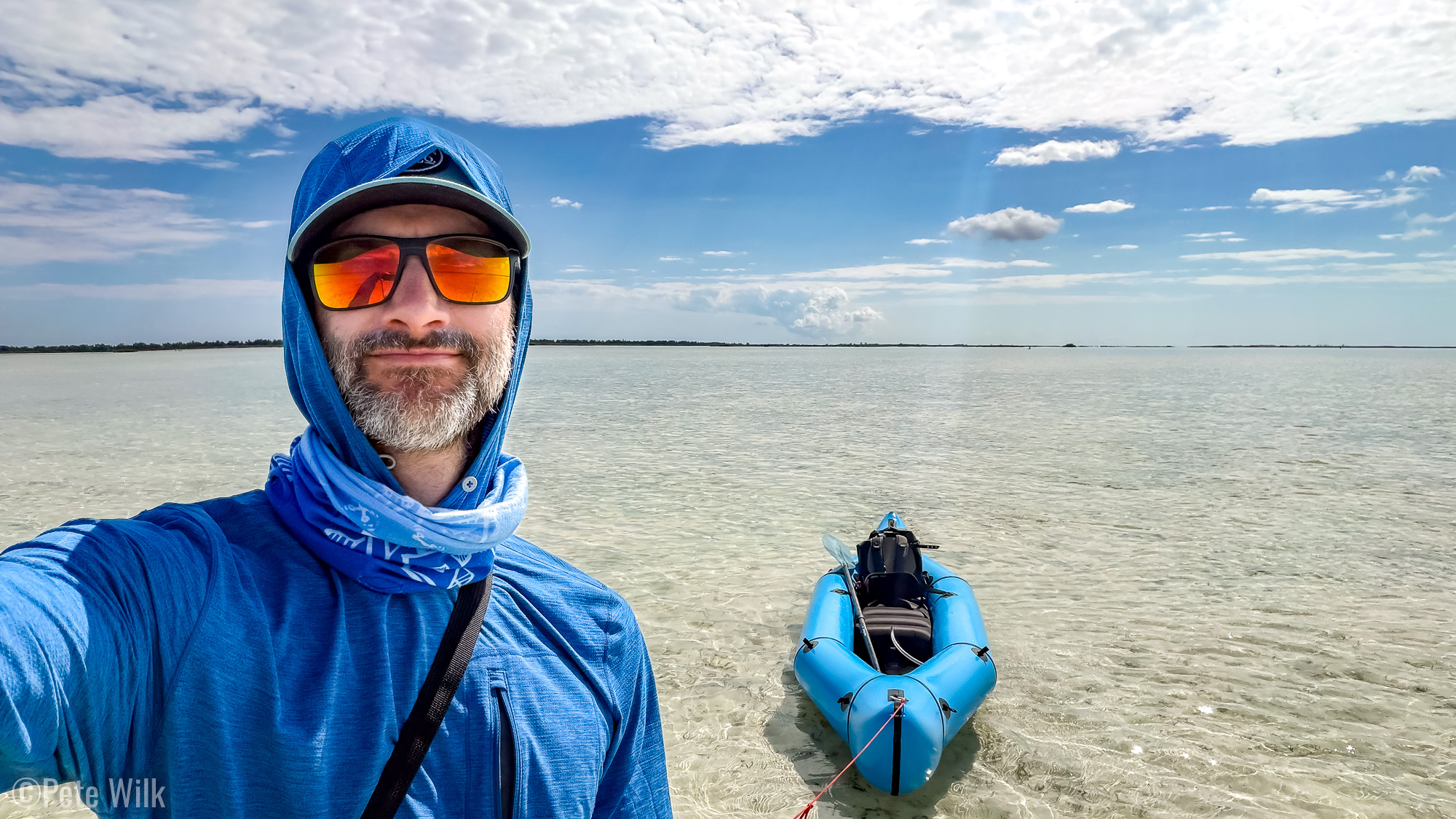
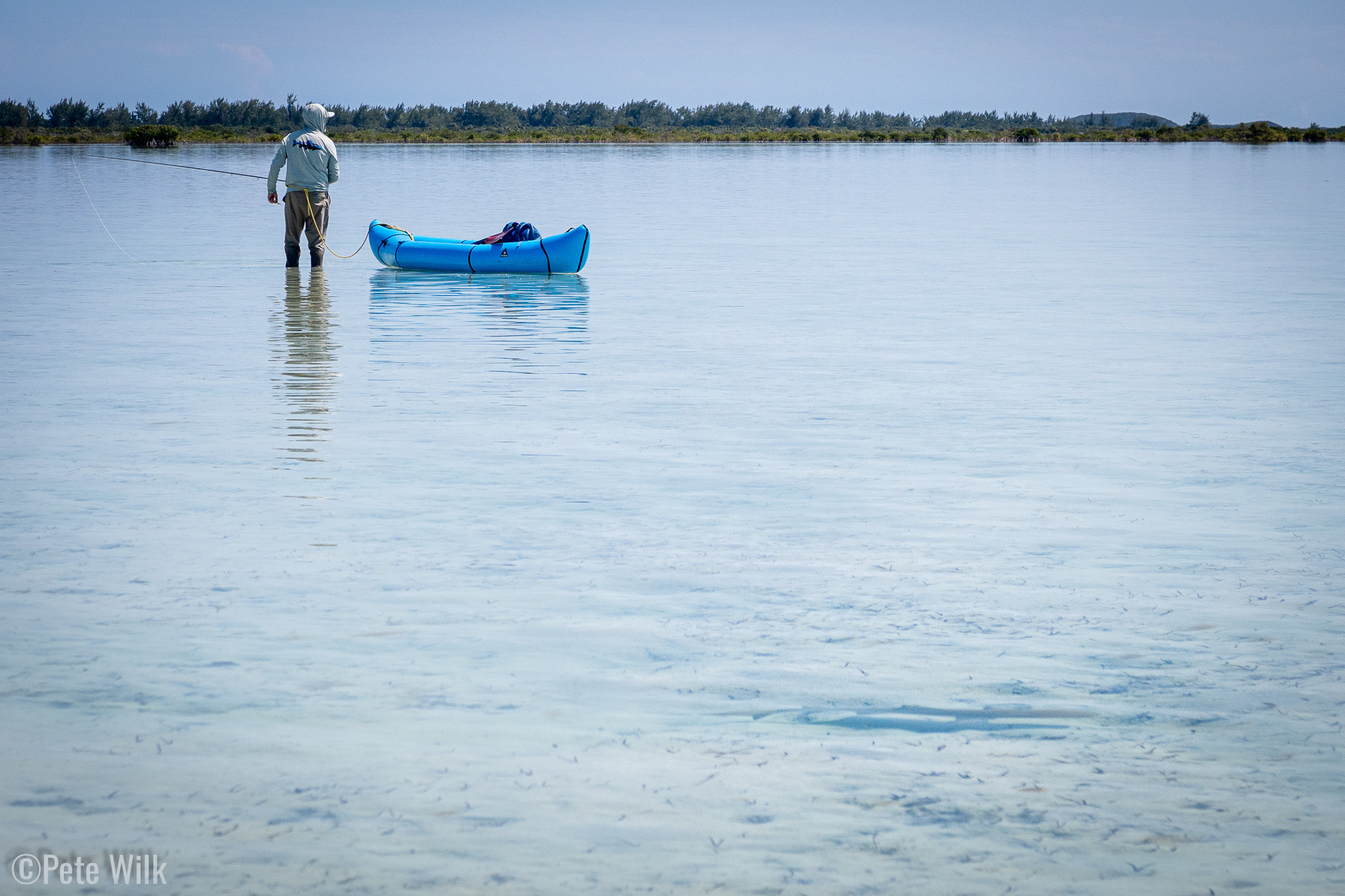
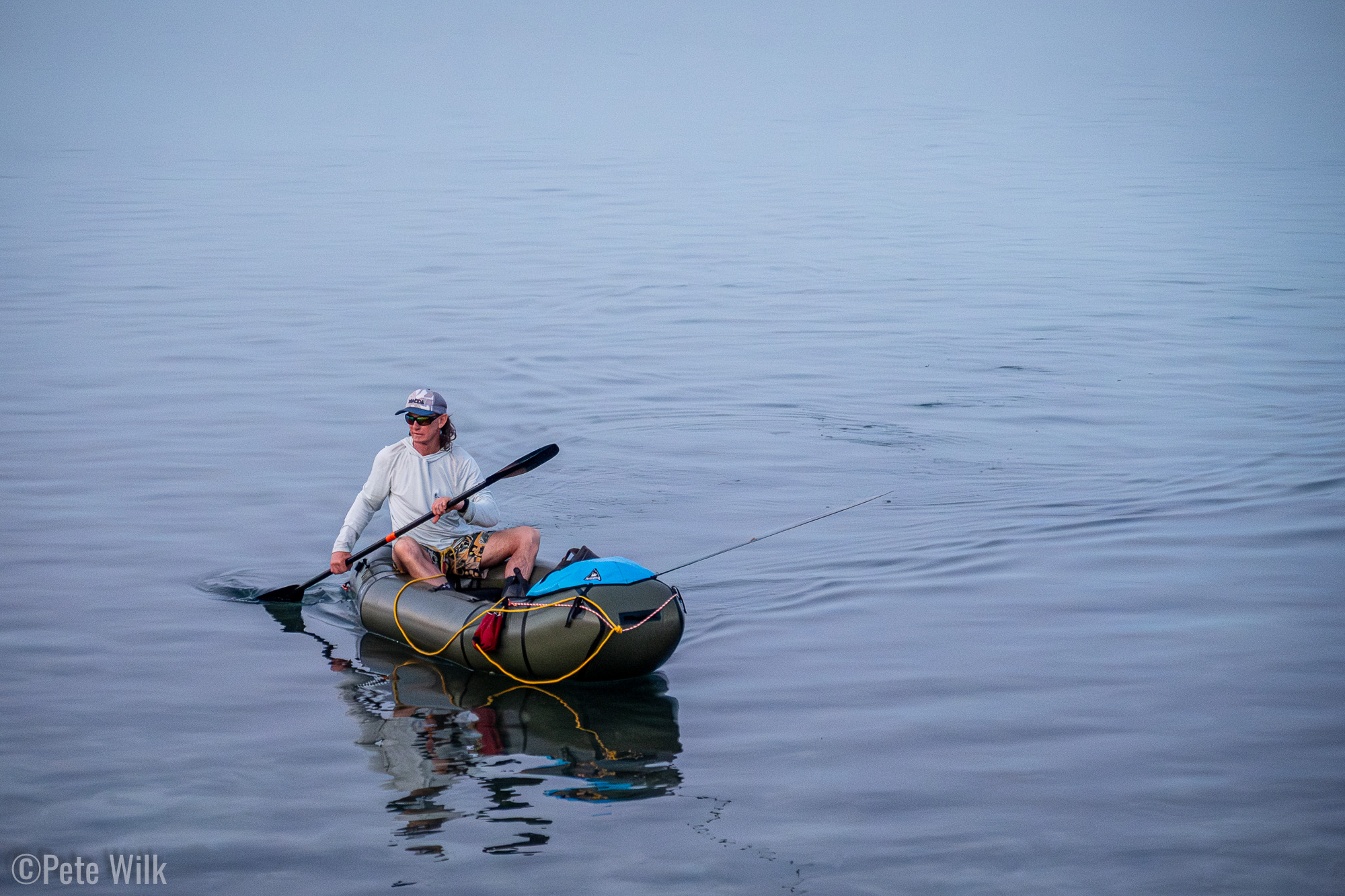
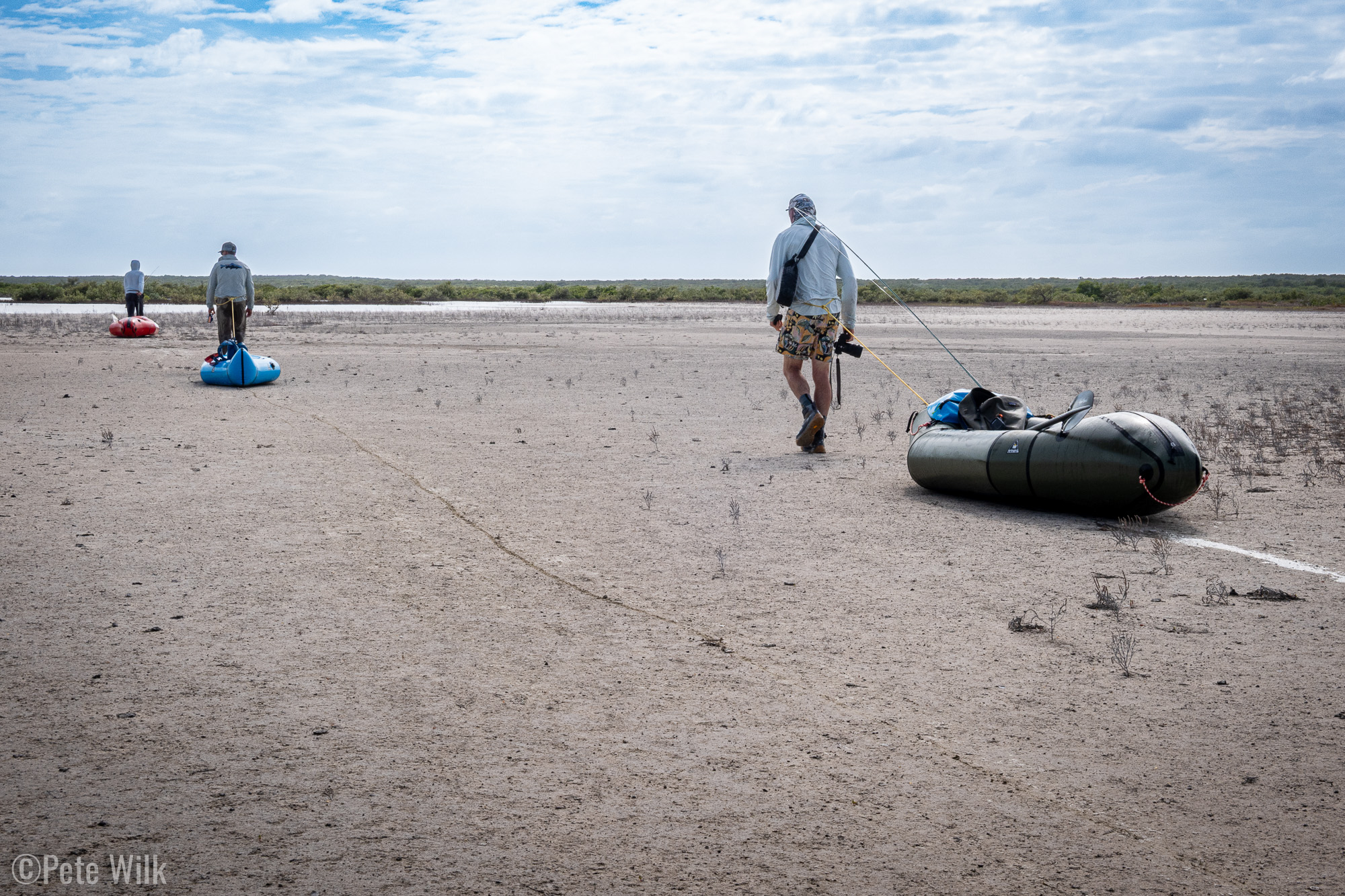
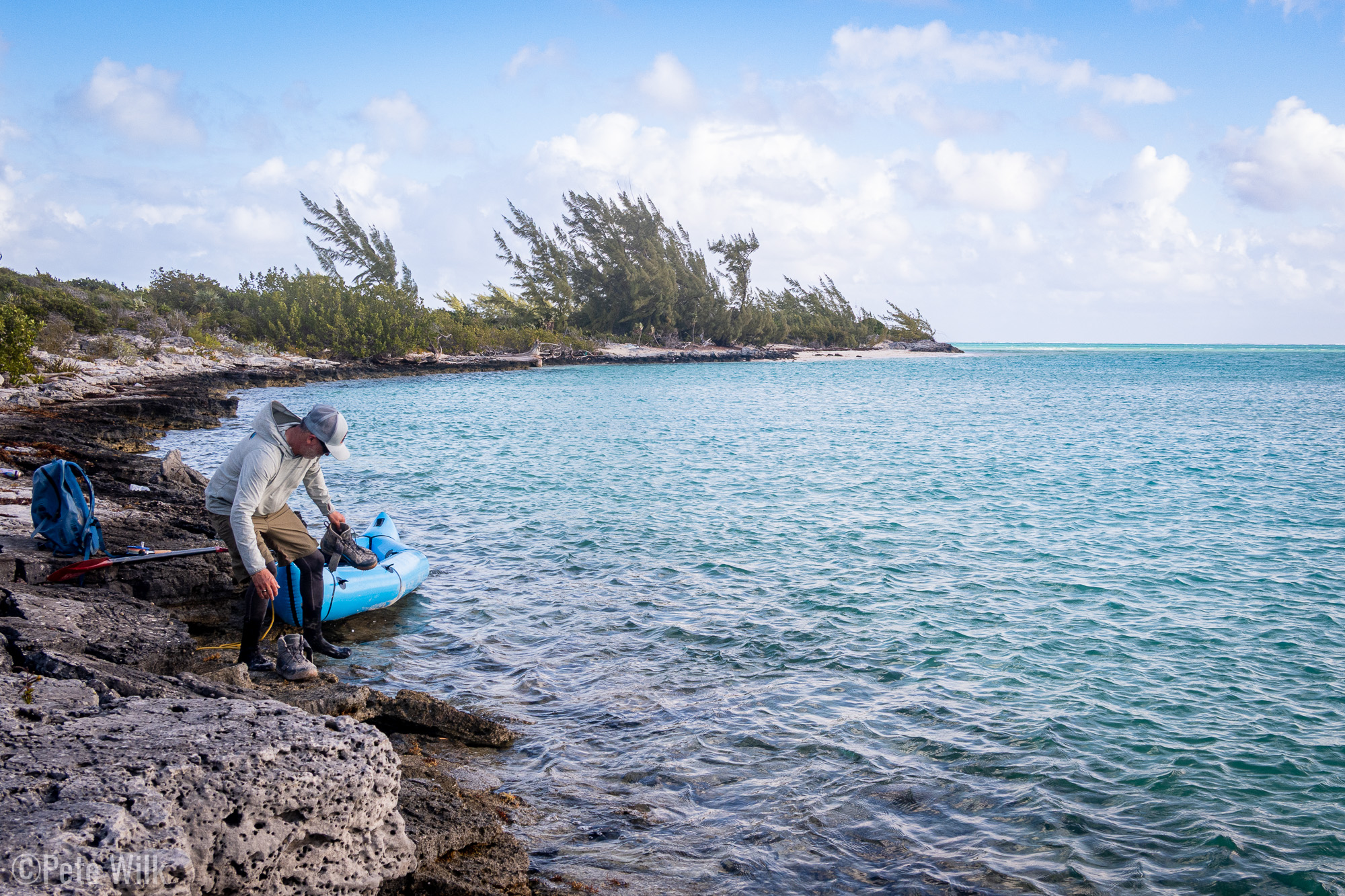
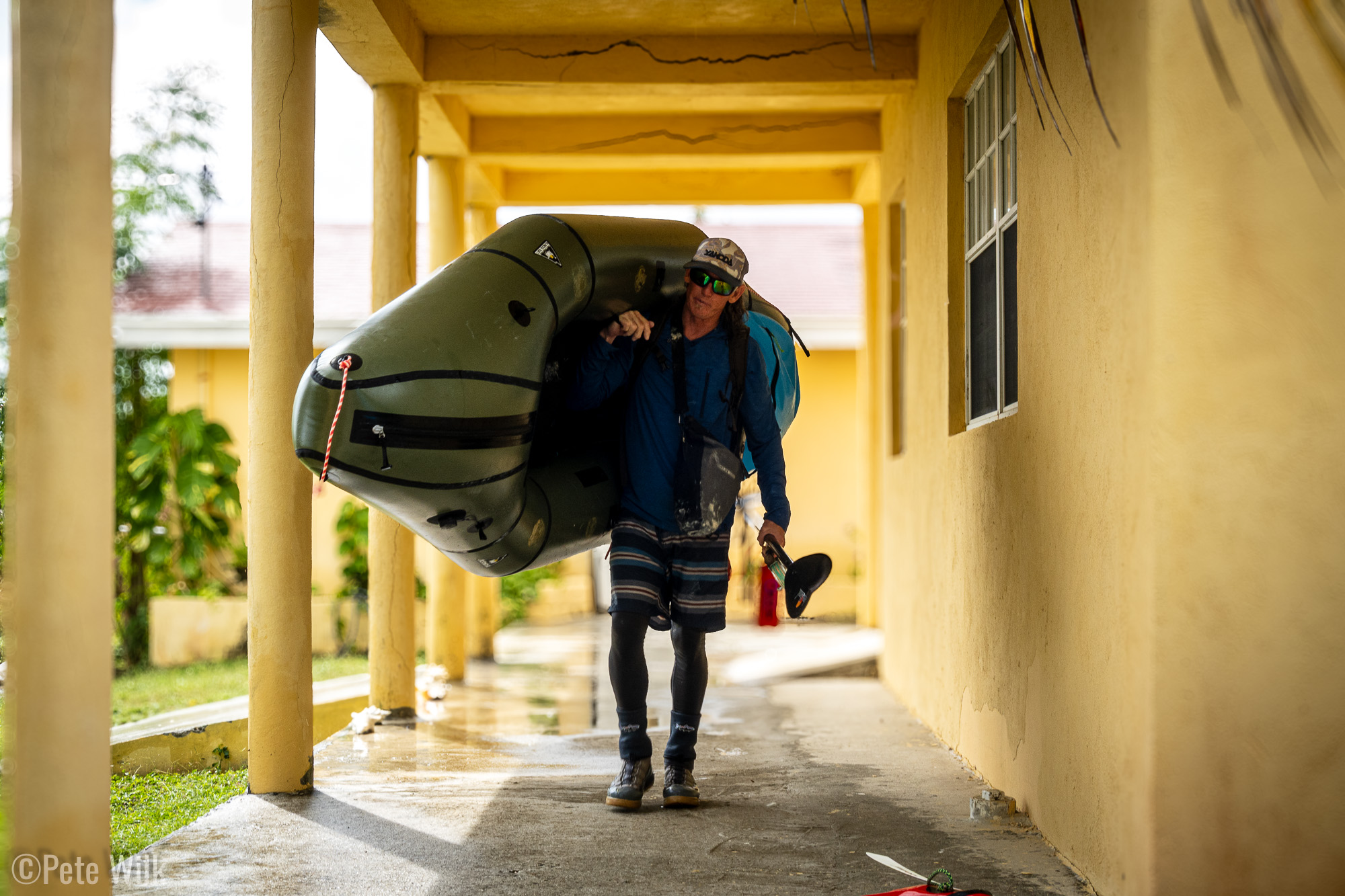
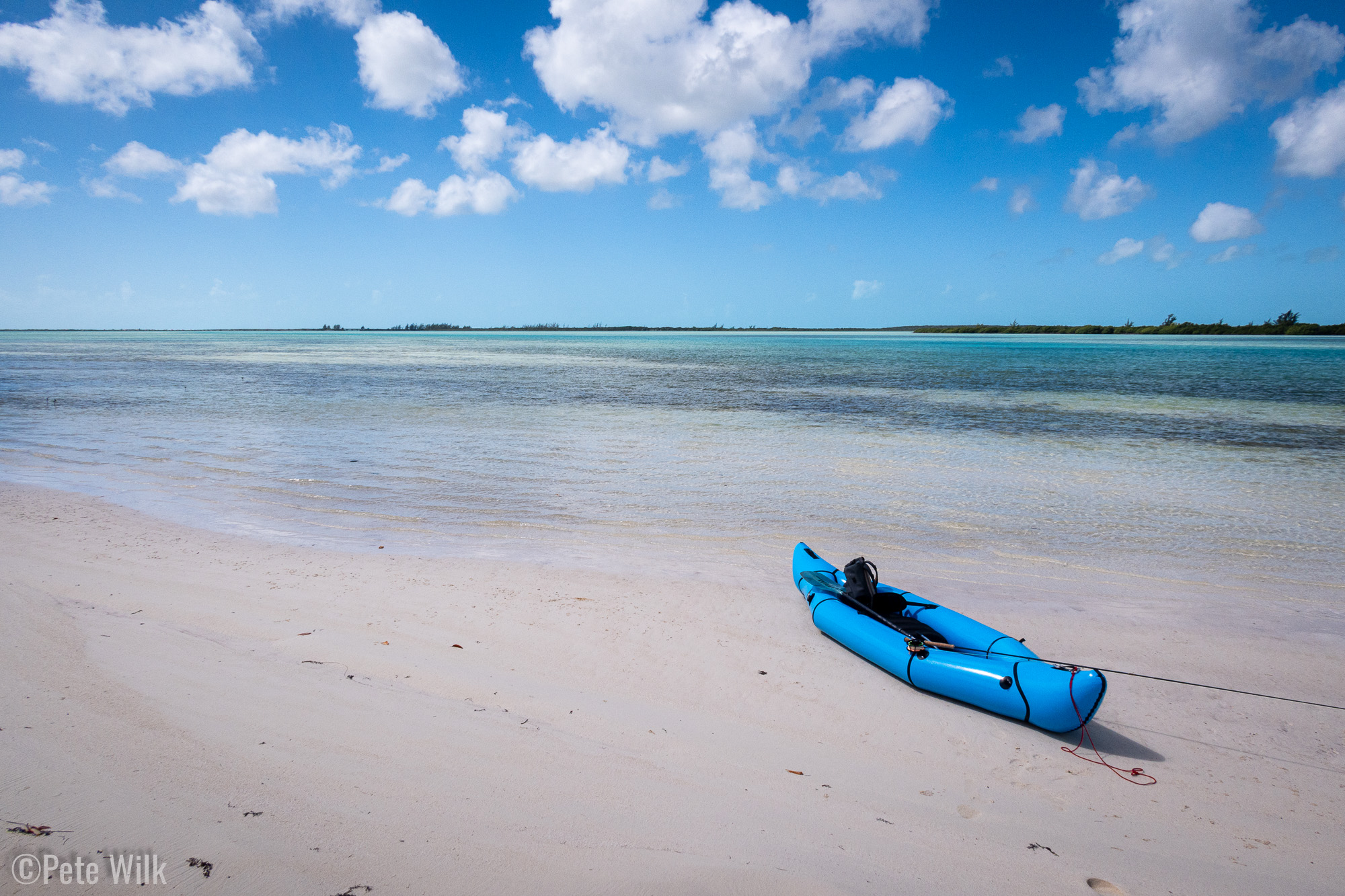
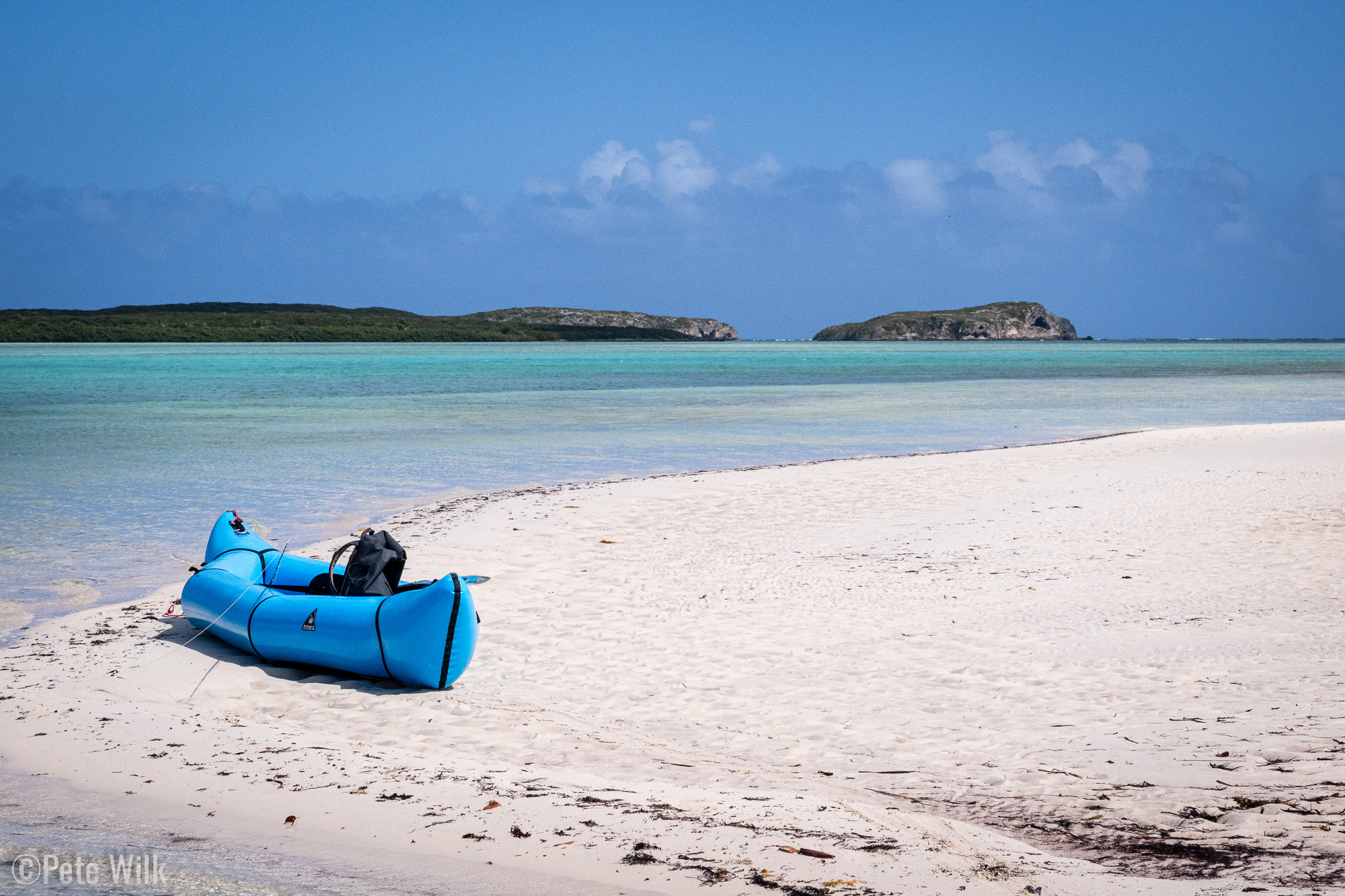
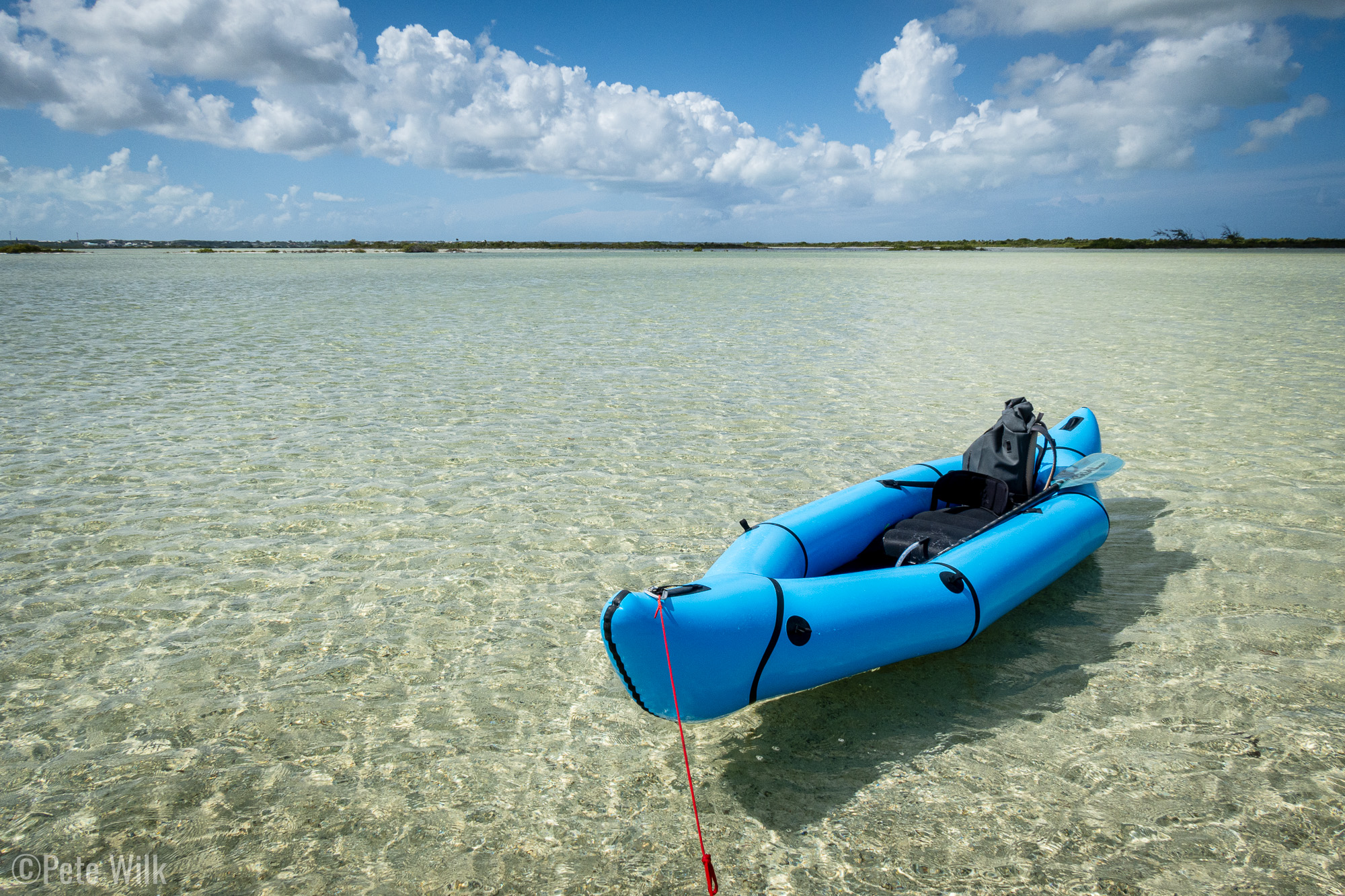
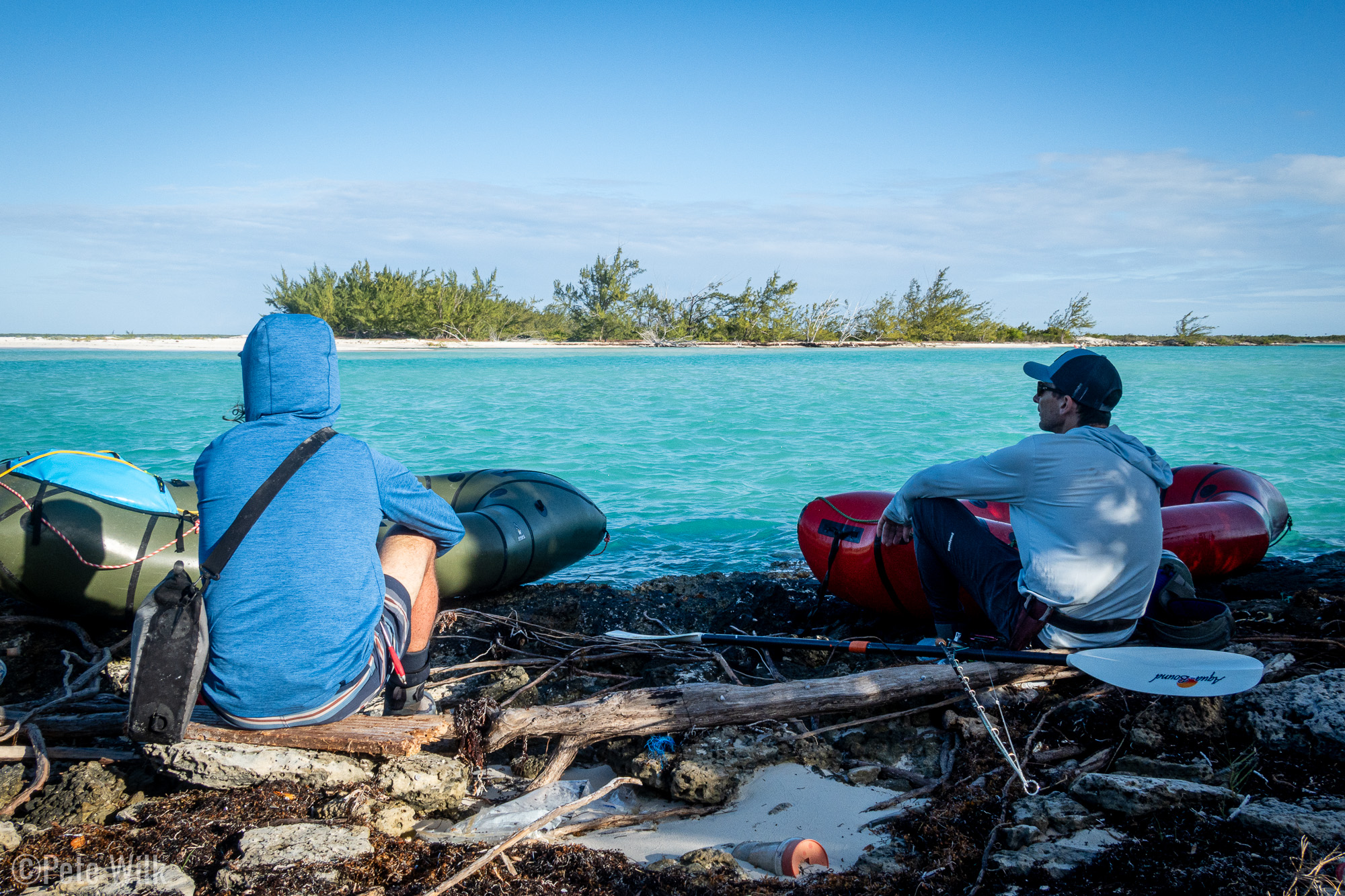
While I’ve done plenty of canoeing, boating, and flatwater kayaking over the years, I’d never been in a packraft before. A few friends have them for whitewater or bigger adventure trips exploring remote rivers. For a DIY fishing trip like ours they were perfect.
Basically they’re inflatable personal rafts. The model I had, the Zephyr, was more kayak‑shaped and better suited for covering distance on flat water. I could technically stand in it to look for fish, but it never felt stable enough to do that comfortably, so I spent most of my time sitting.
Once everything was inflated we carried the boats down to the water, just a minute or two walk from the house. The put‑in was next to a small Baptist church and a short pier.
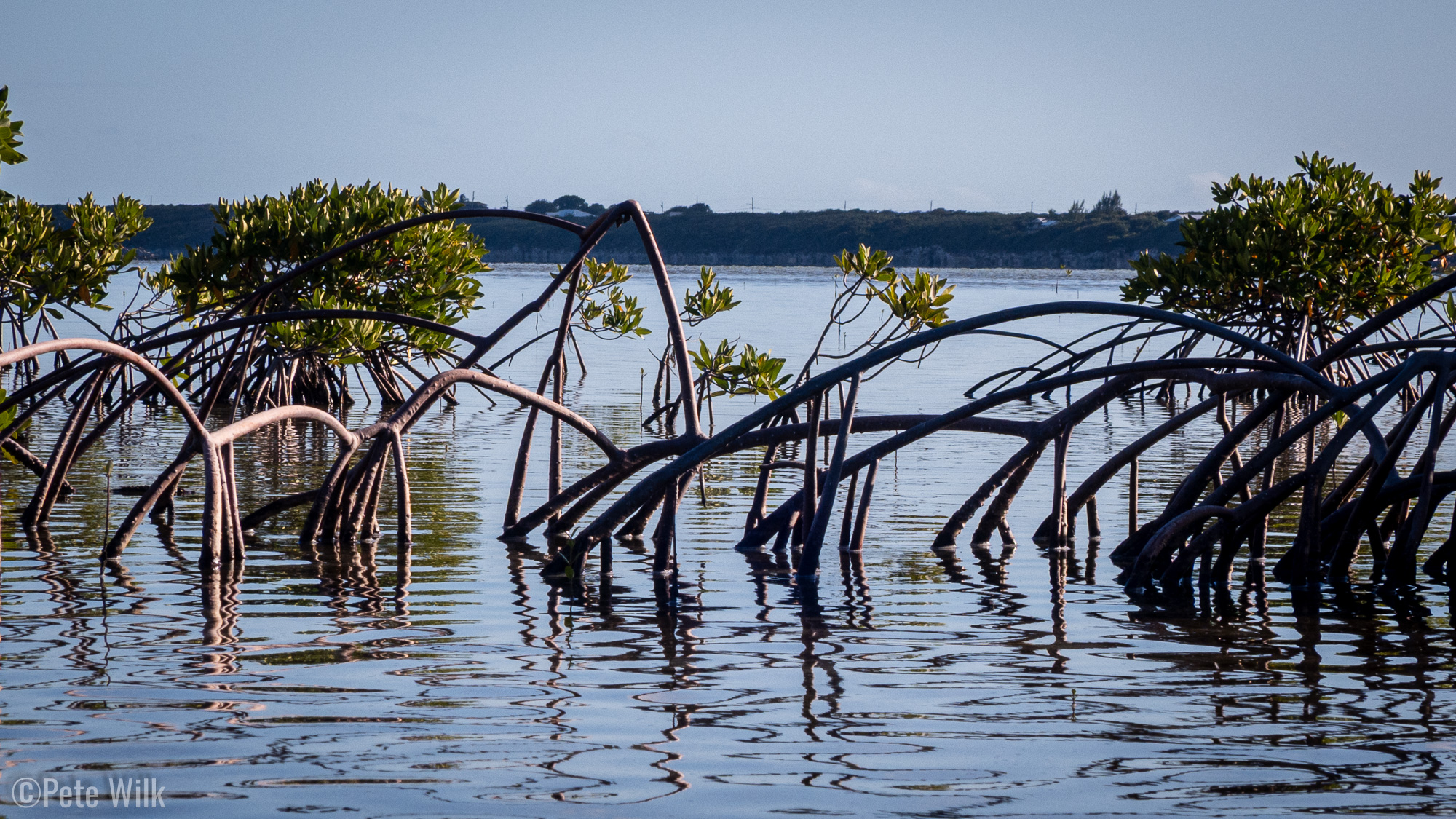
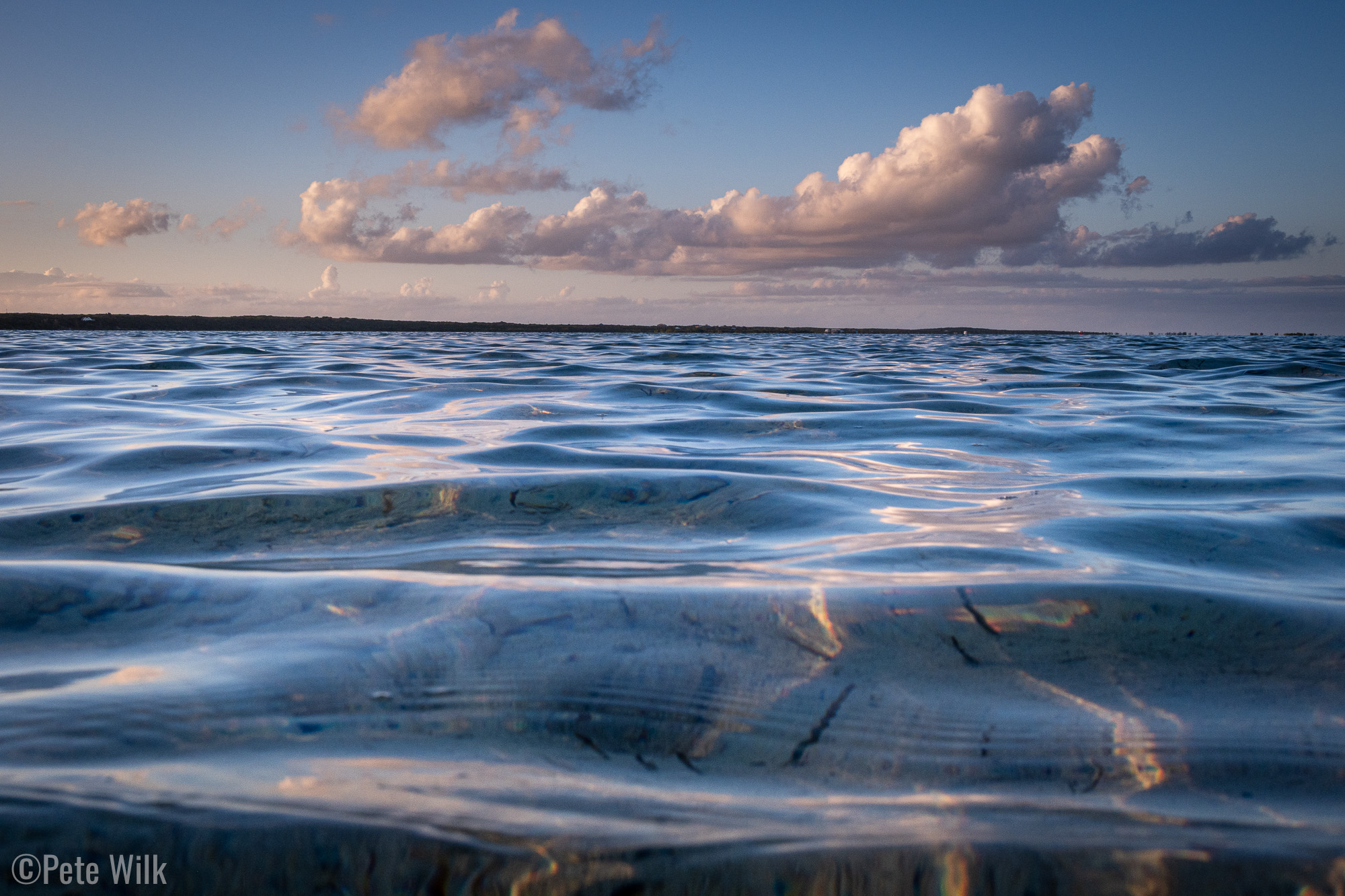
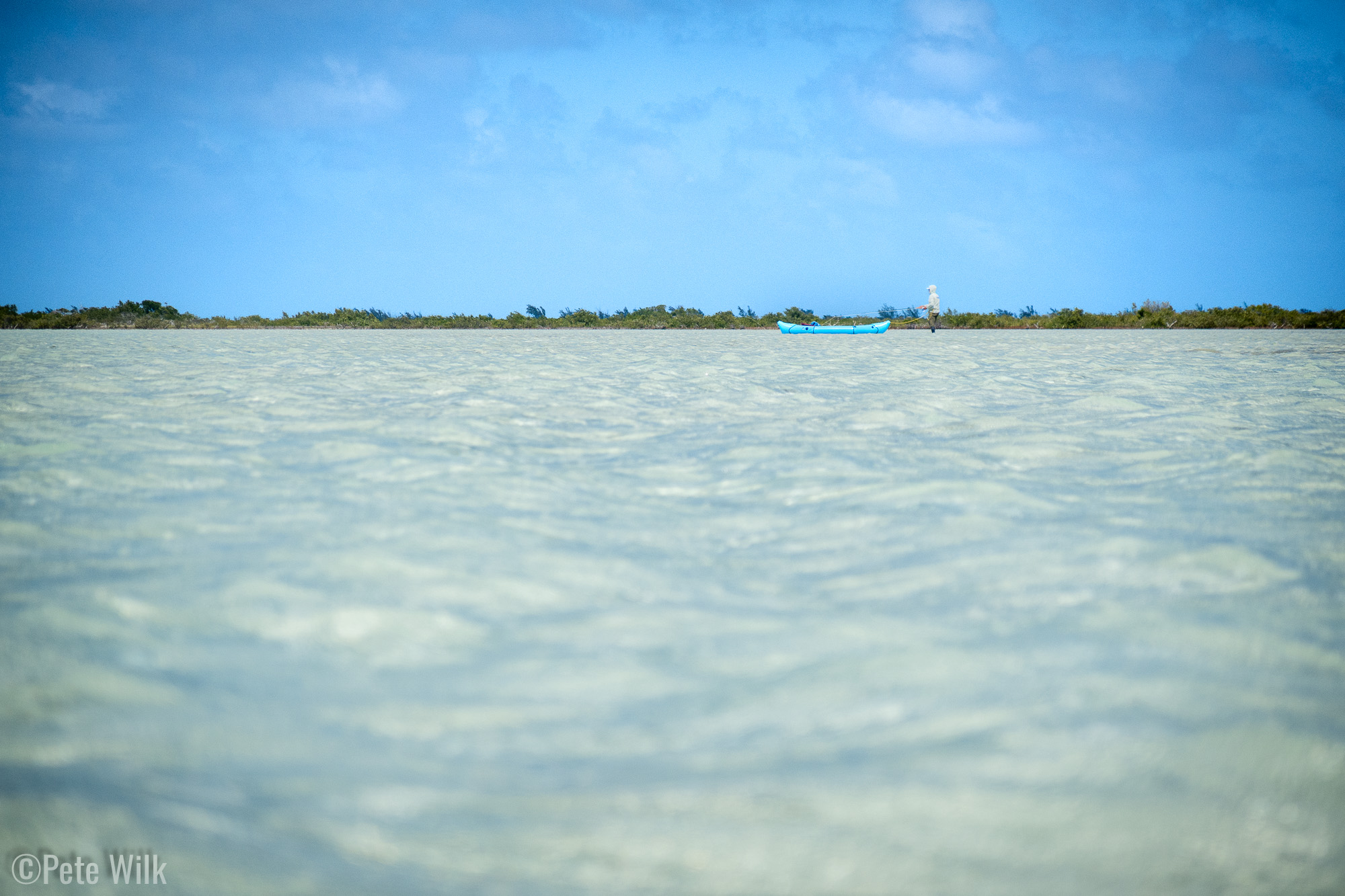
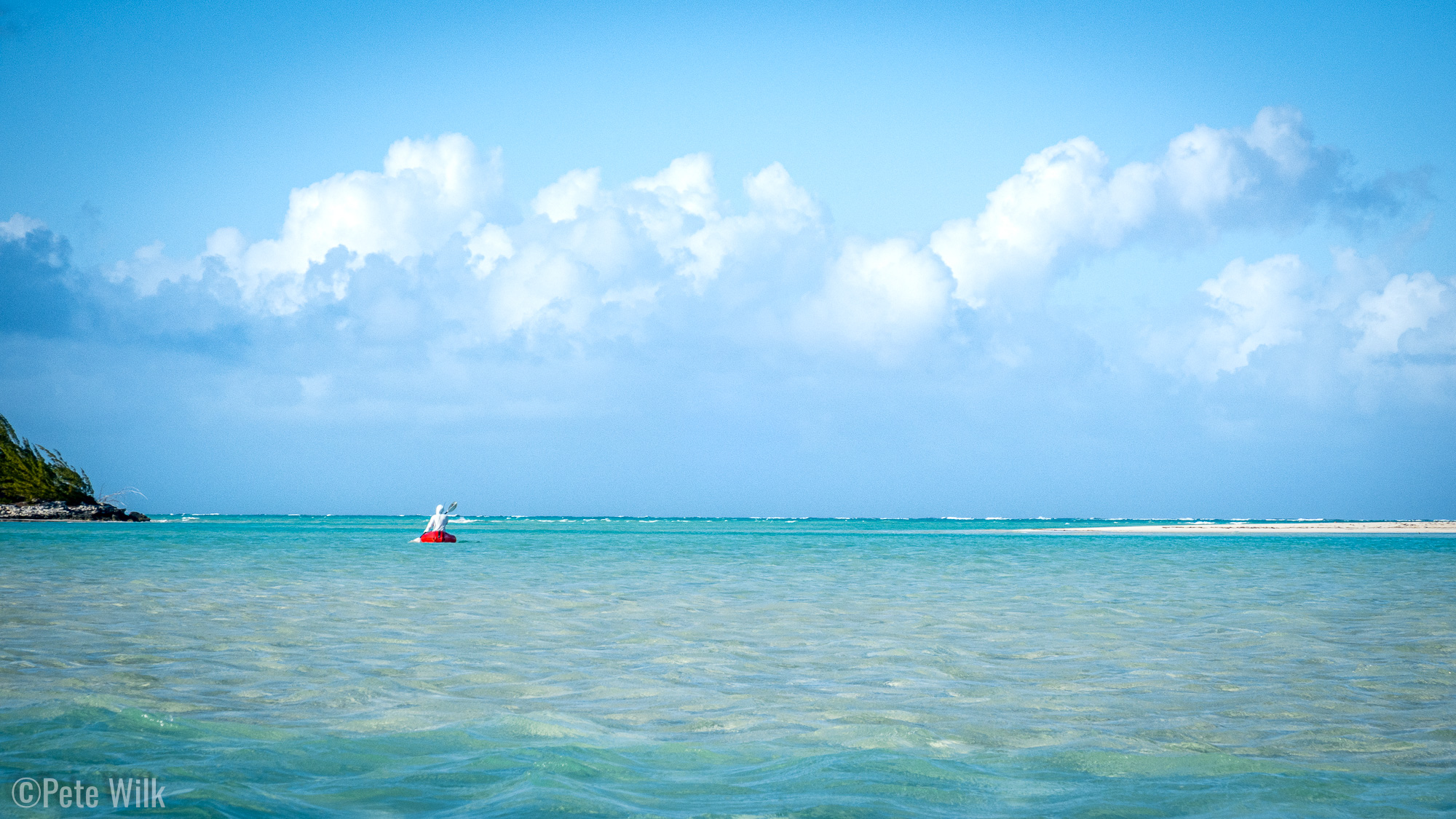
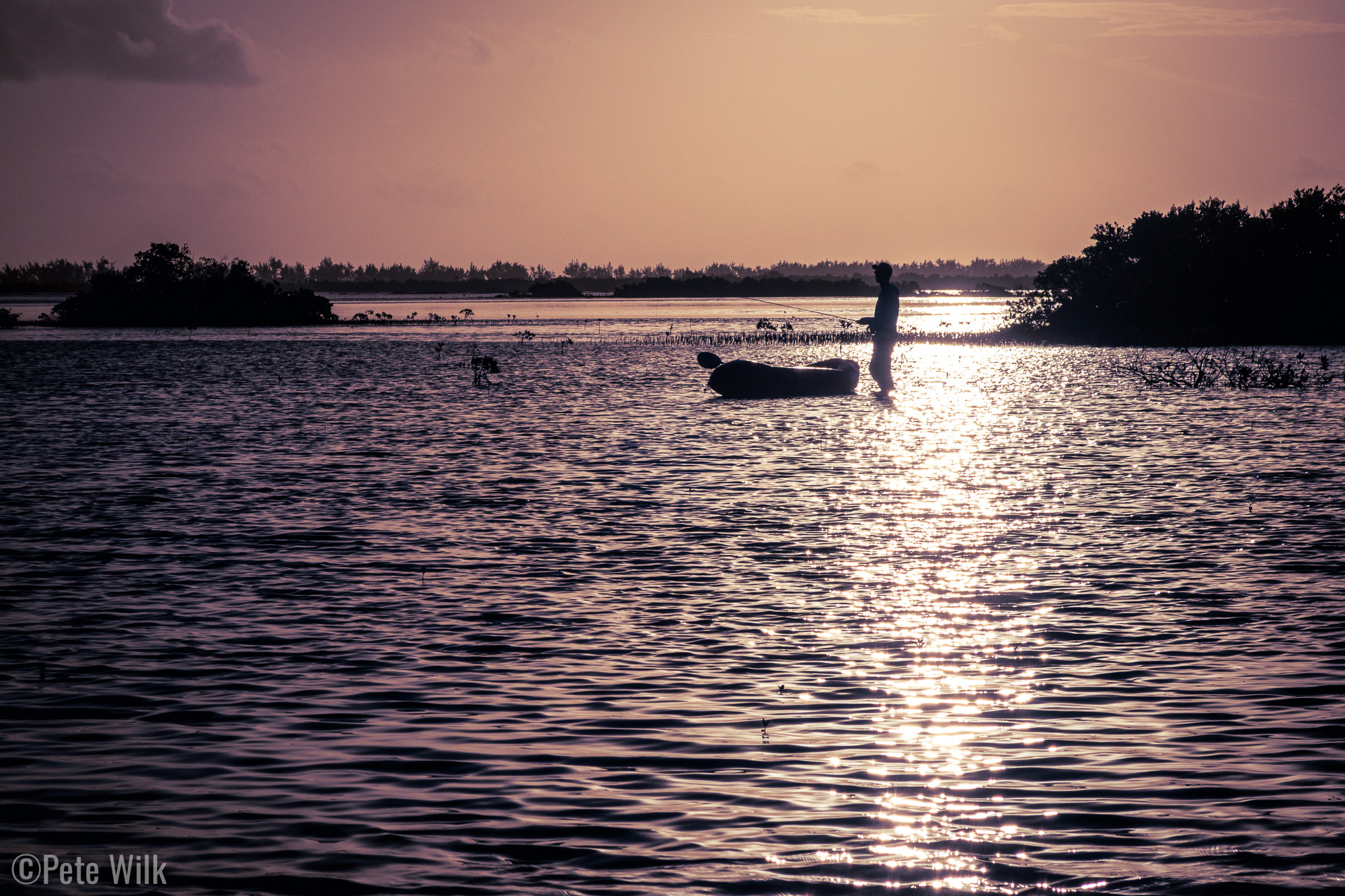
We paddled out just as the sun was rising over the barrier islands, mangroves, and the shallow flats we’d spend the next week exploring. Puffy clouds hung overhead and the wind was almost always present.
The other three guys were far more experienced fishermen than I was, both in saltwater and freshwater. Still, I’d done a fair amount of fly fishing on streams and ponds back in New England, so I wasn’t too worried going in.
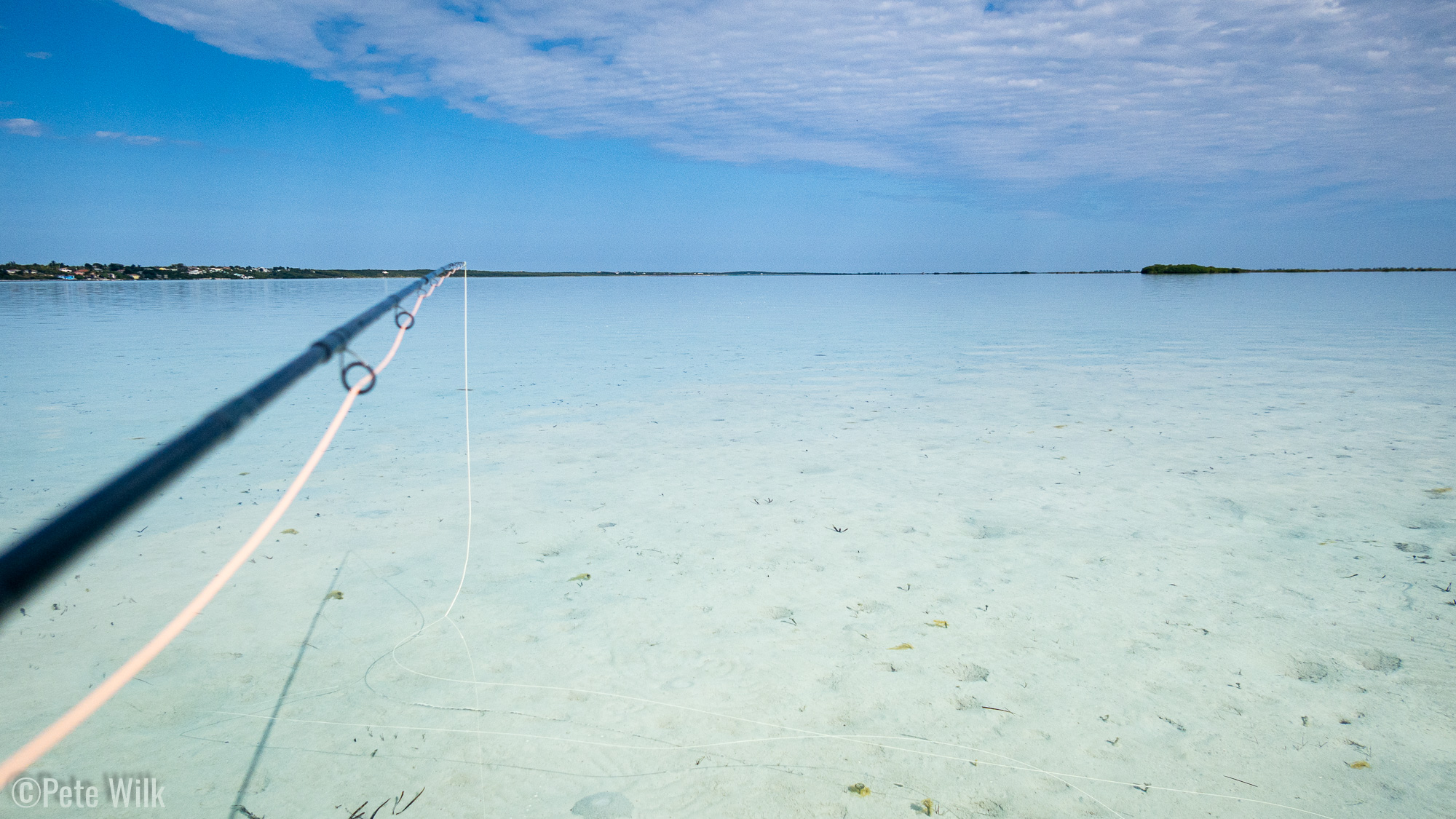
To prep for the trip I did the usual modern research: a handful of YouTube videos about bonefishing.
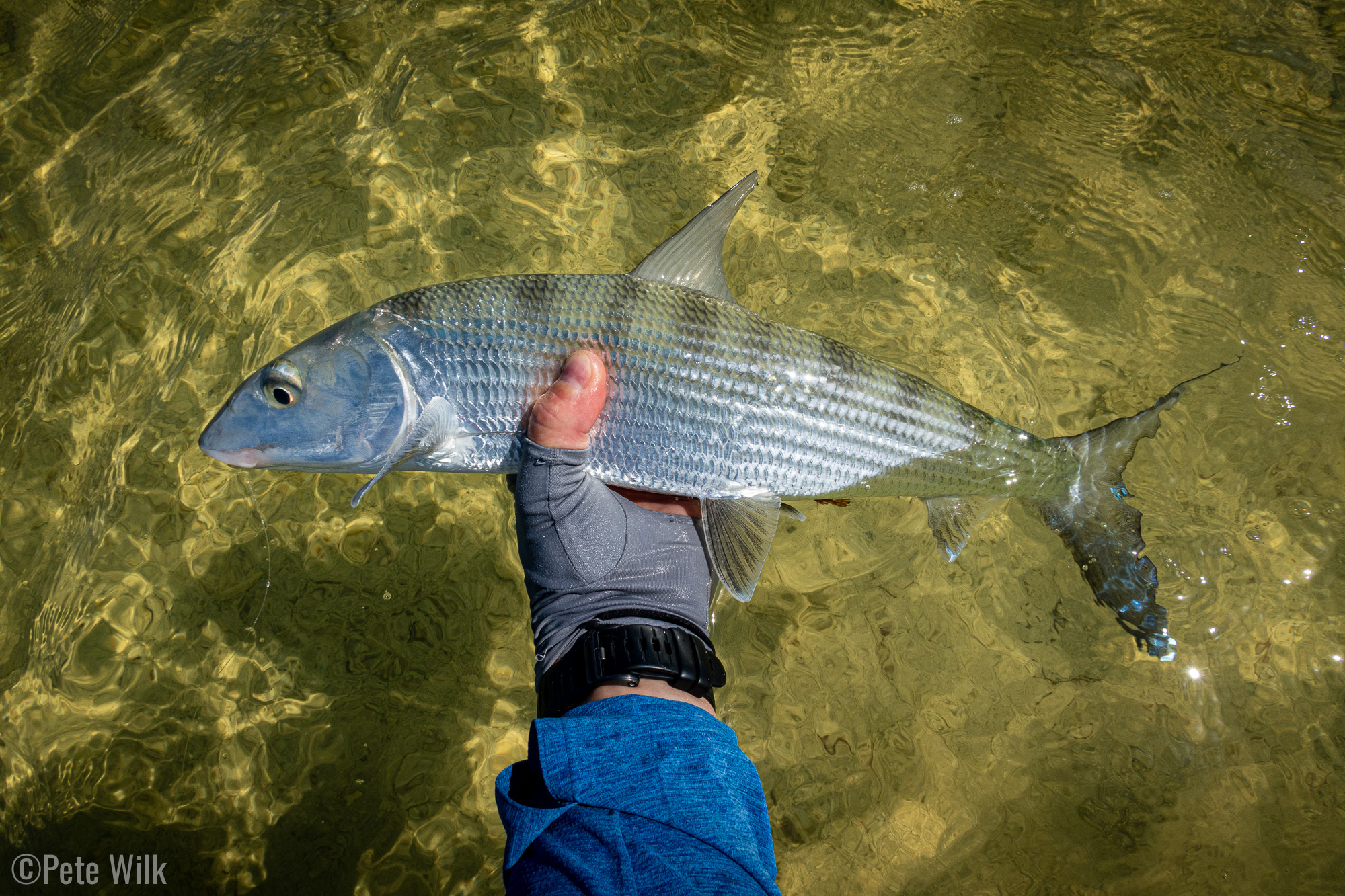
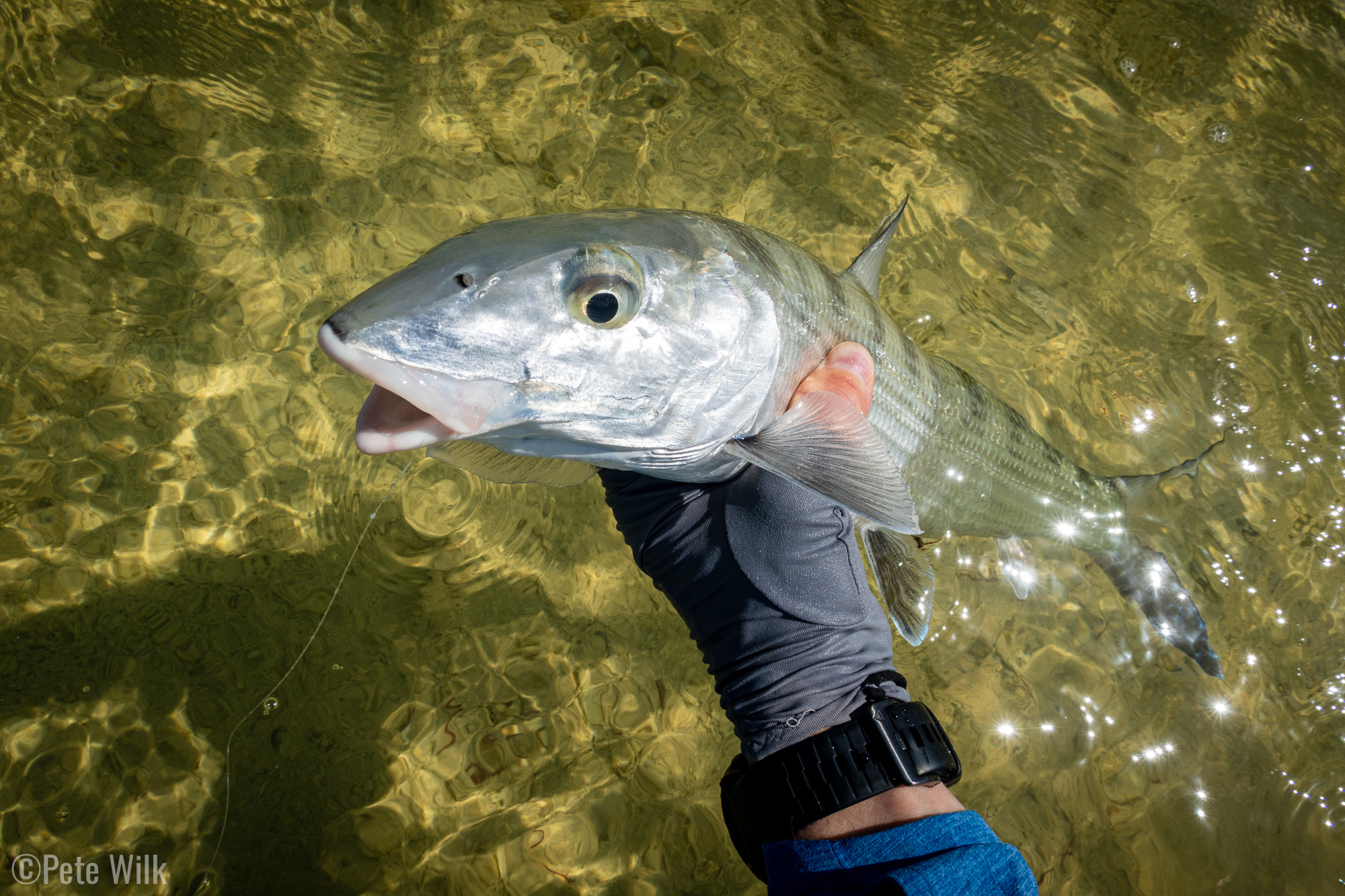
Bonefish are sleek, silvery fish that patrol shallow water “flats” hunting shrimp and other small crustaceans off the bottom. Their mouths look a bit like a carp’s — designed for rooting around in sand and mud.
They’re also famously fast and extremely easy to spook. They’re constantly watching for predators like sharks and osprey.
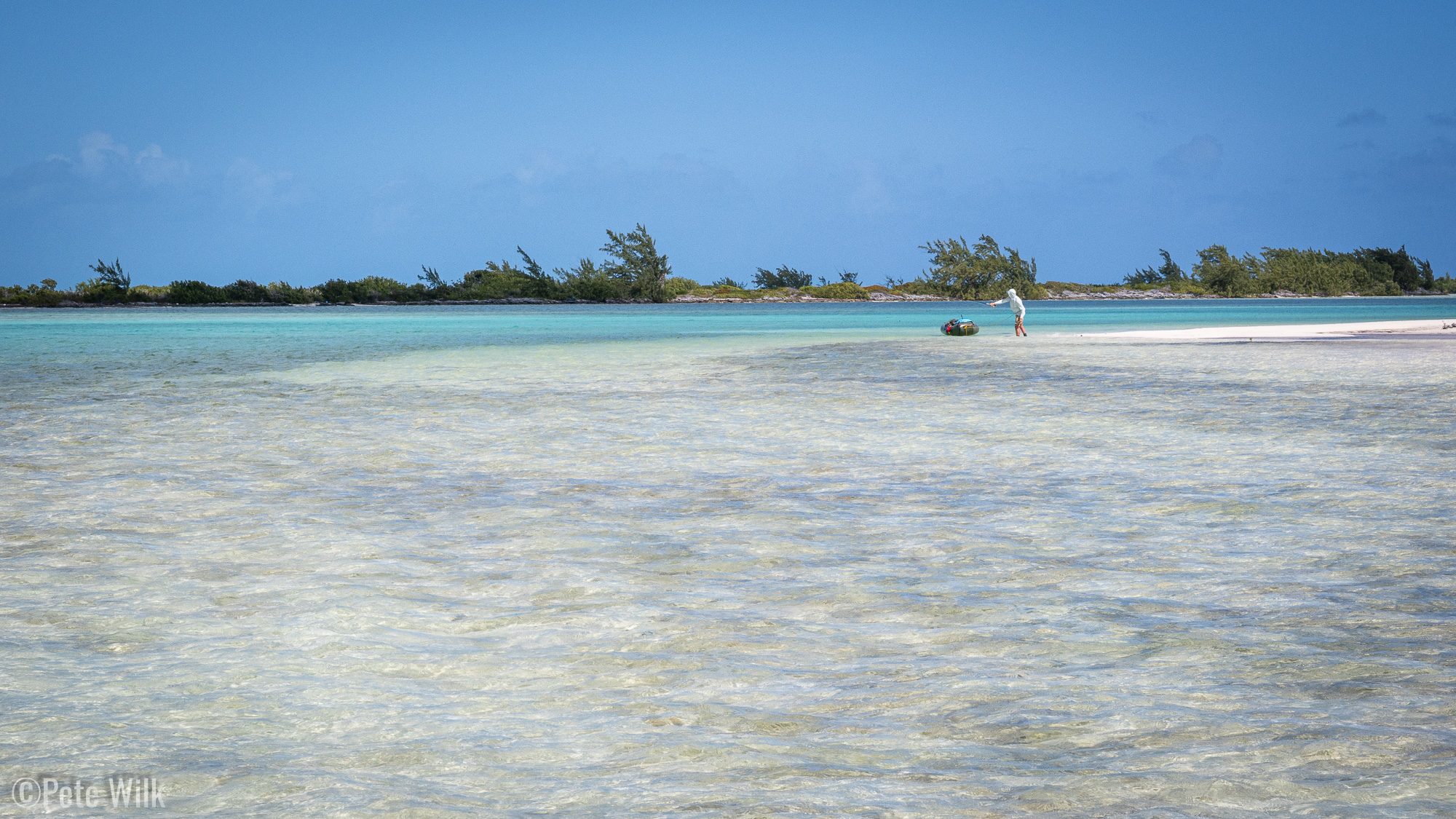
Fishing for bonefish is less like traditional fishing and more like hunting. Blind casting is mostly pointless because the flats are enormous and the fish can be anywhere. Instead you search for them first and only cast once you spot one.
And spotting them turns out to be the hardest part.
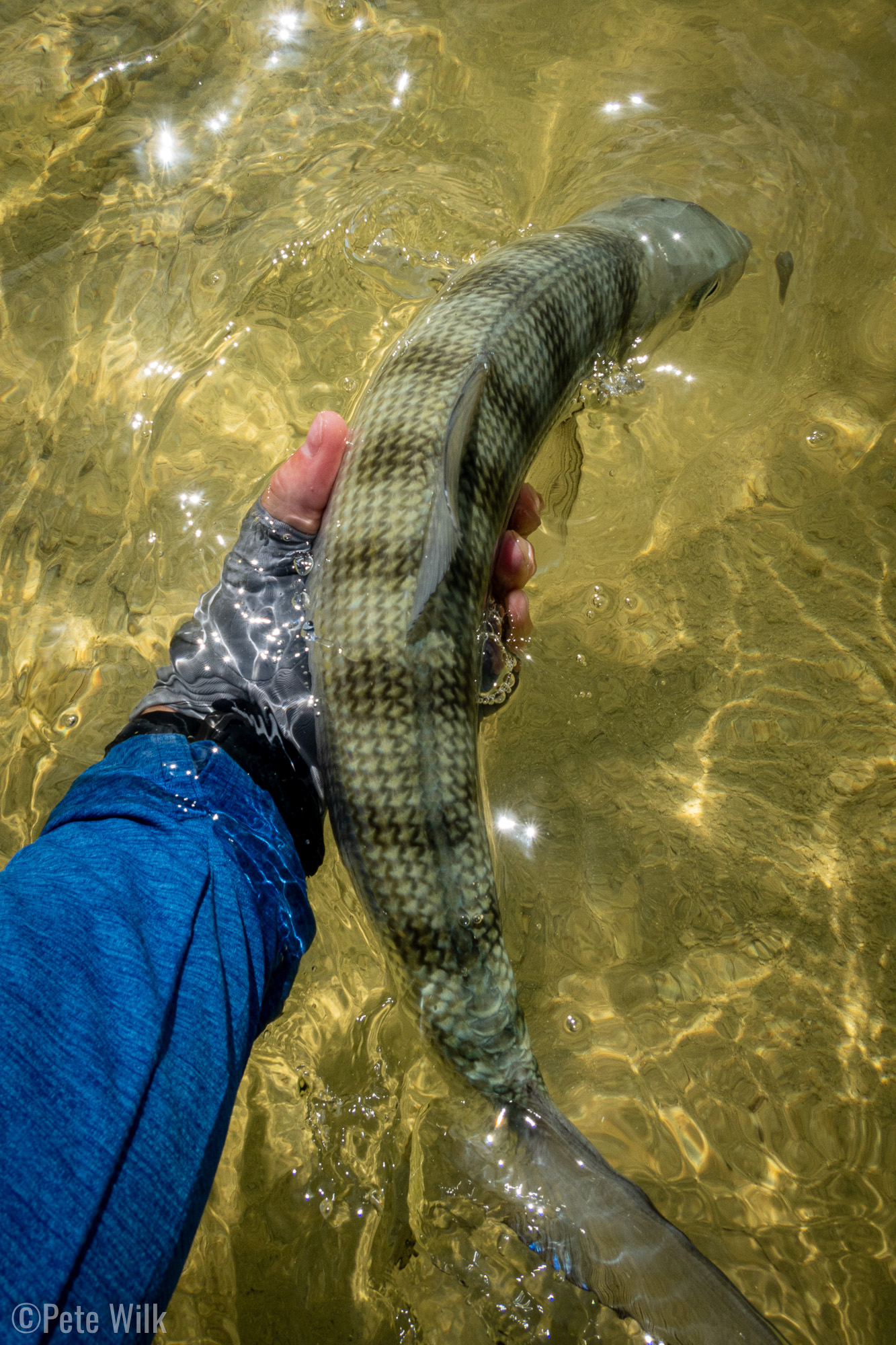
Bonefish are incredibly well camouflaged. Their silver sides and faint greenish backs blend perfectly with the sandy bottom. In ideal conditions — calm water and bright sun — you can spot them far enough away to get into position and make a cast.
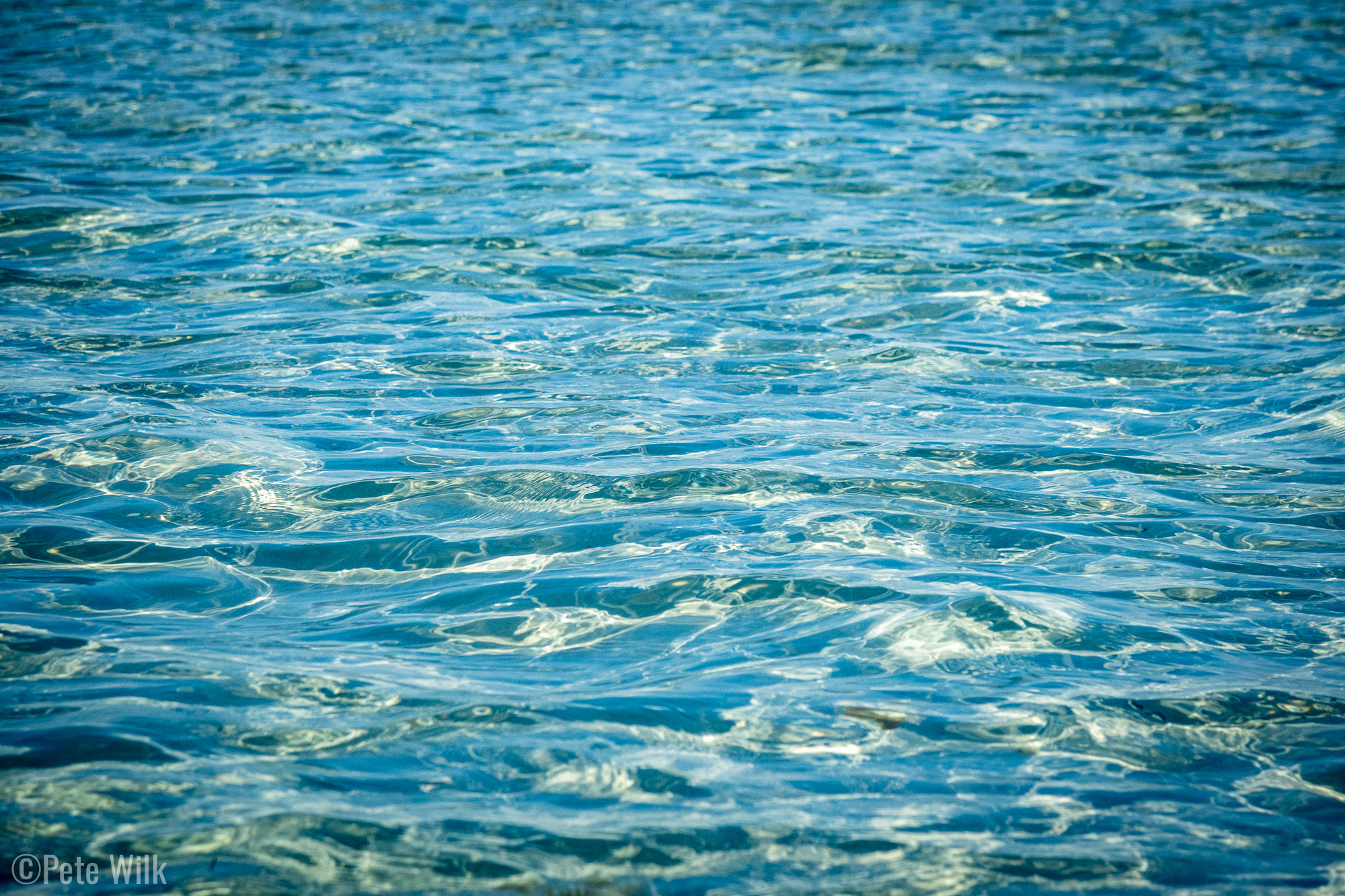
Most of the time, though, conditions aren’t ideal. There’s wind. There are clouds. The water surface ripples. Shadows move across the flats as the sun is obscured. The bottom sometimes is mottled.
The result is that the distance you can actually see fish is often barely farther than you can cast.
For me, like most beginners, that was the hardest part of the entire trip — seeing the fish in time and getting a cast into the right place.
Working the Flats
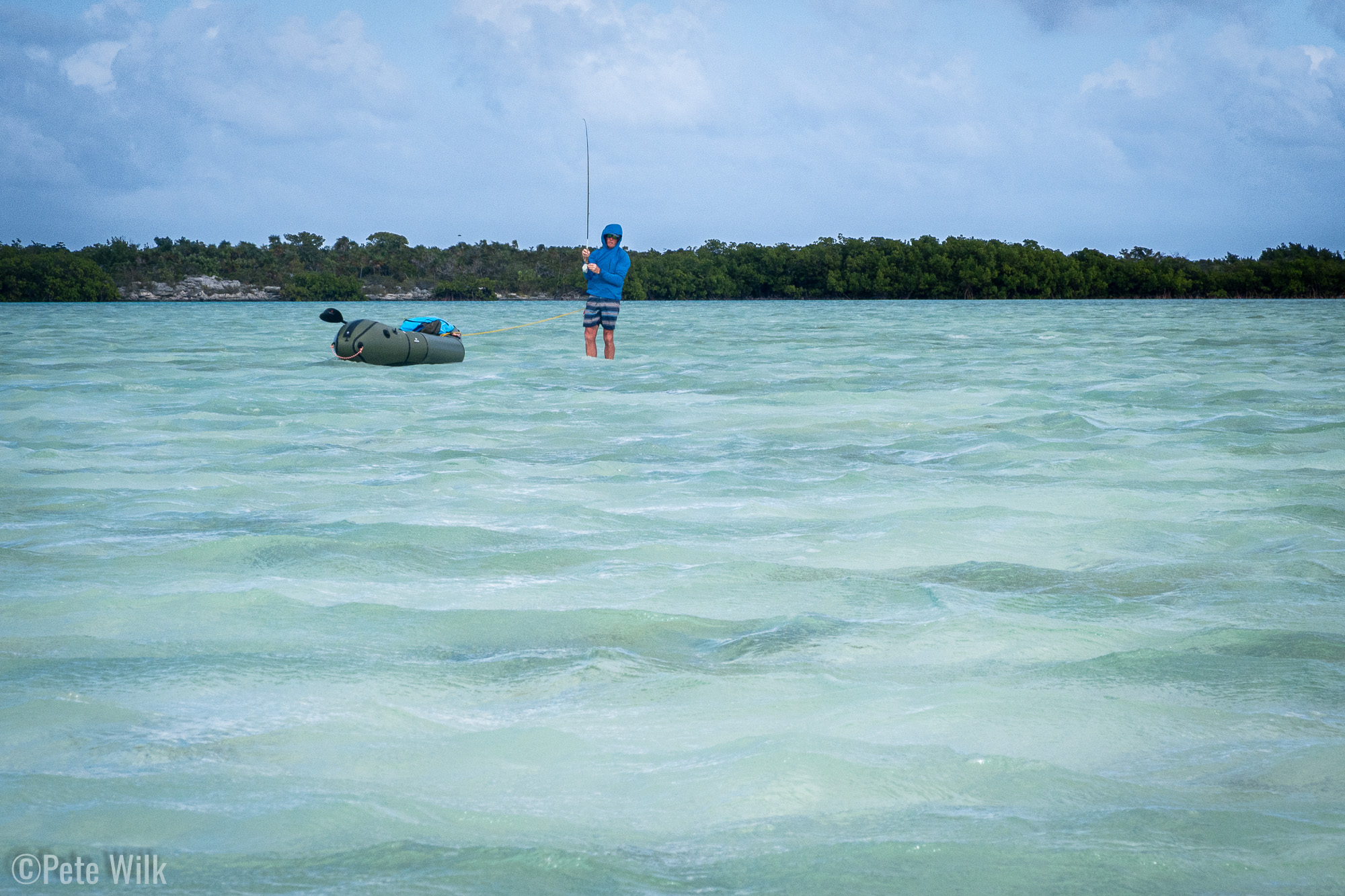
Walking the flats turns out to be some work.
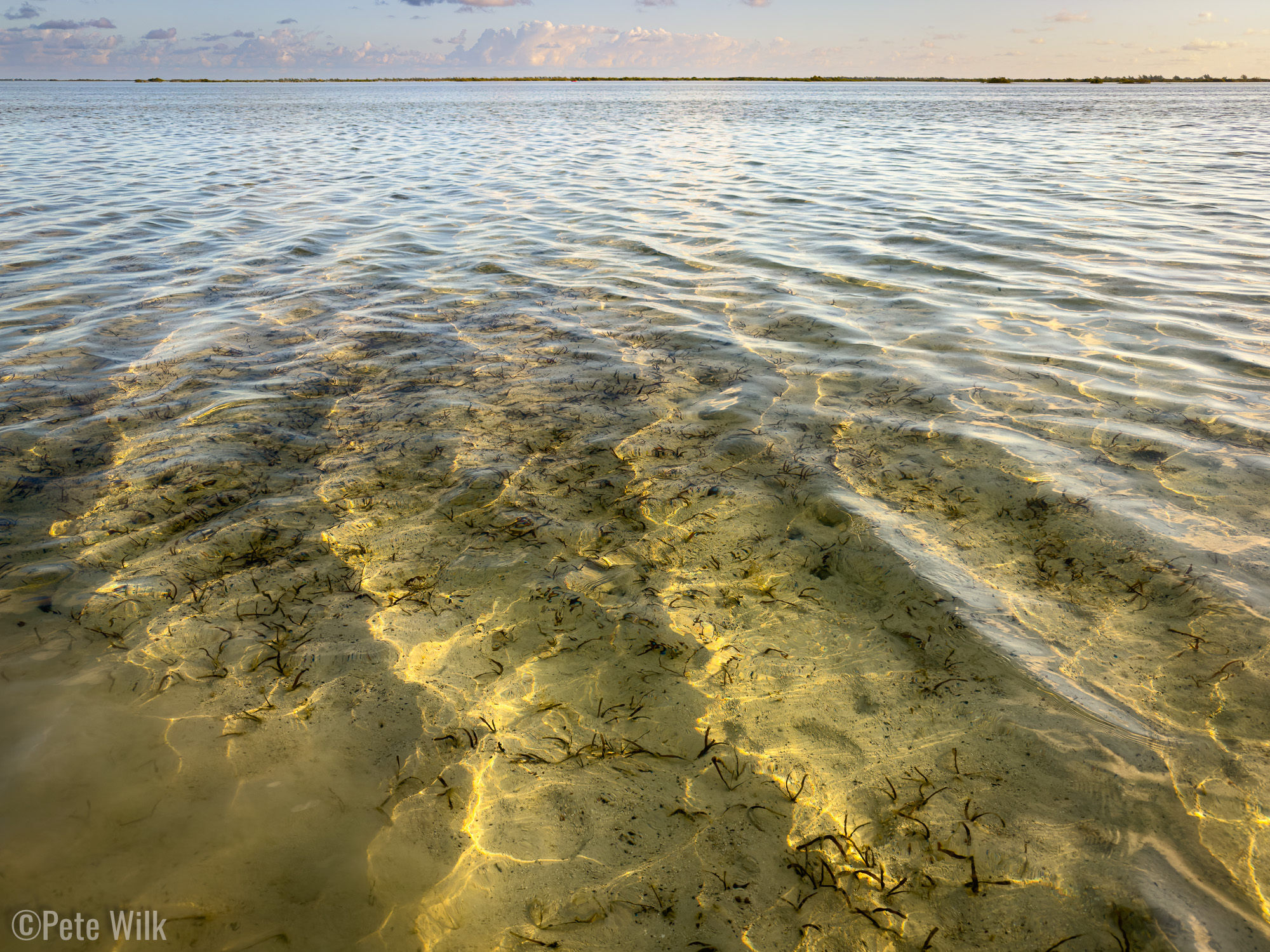
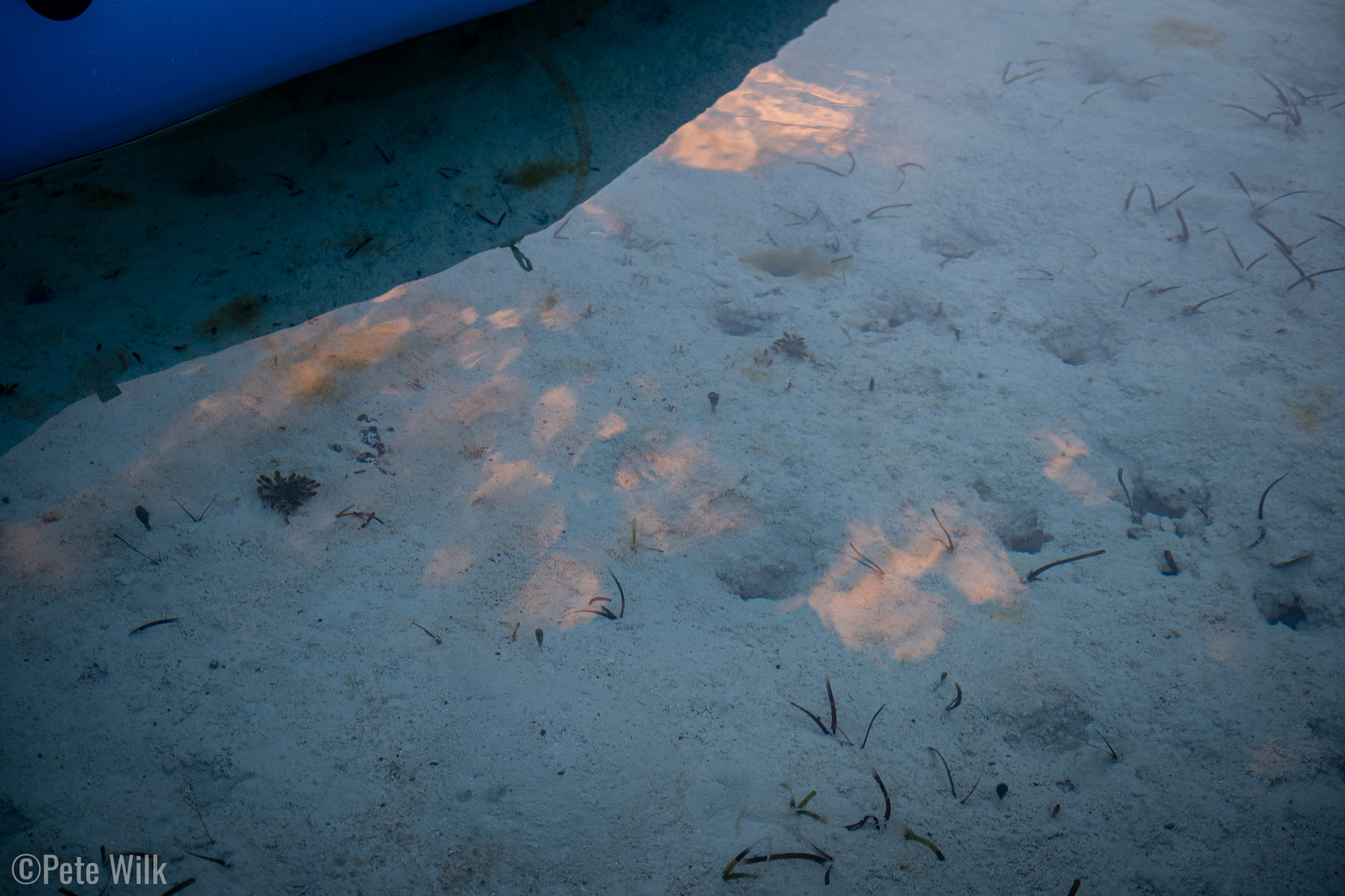
While they’re called “flats,” they are rarely flat at the scale of human footsteps. Shrimp, crabs, and bonefish themselves constantly dig small holes and divots into the bottom. Some are obvious because they collect bits of grass or darker sediment. Others are almost invisible.
Since you’re constantly scanning the water looking for fish — and usually not very far away — there isn’t much time to watch where you’re stepping. Looking down for even a few seconds means missing the chance to spot a fish.
The result is that walking the flats feels a bit like crossing an open field that appears flat from a distance but is actually uneven ground. Except you’re doing it while staring at the water instead of your feet.
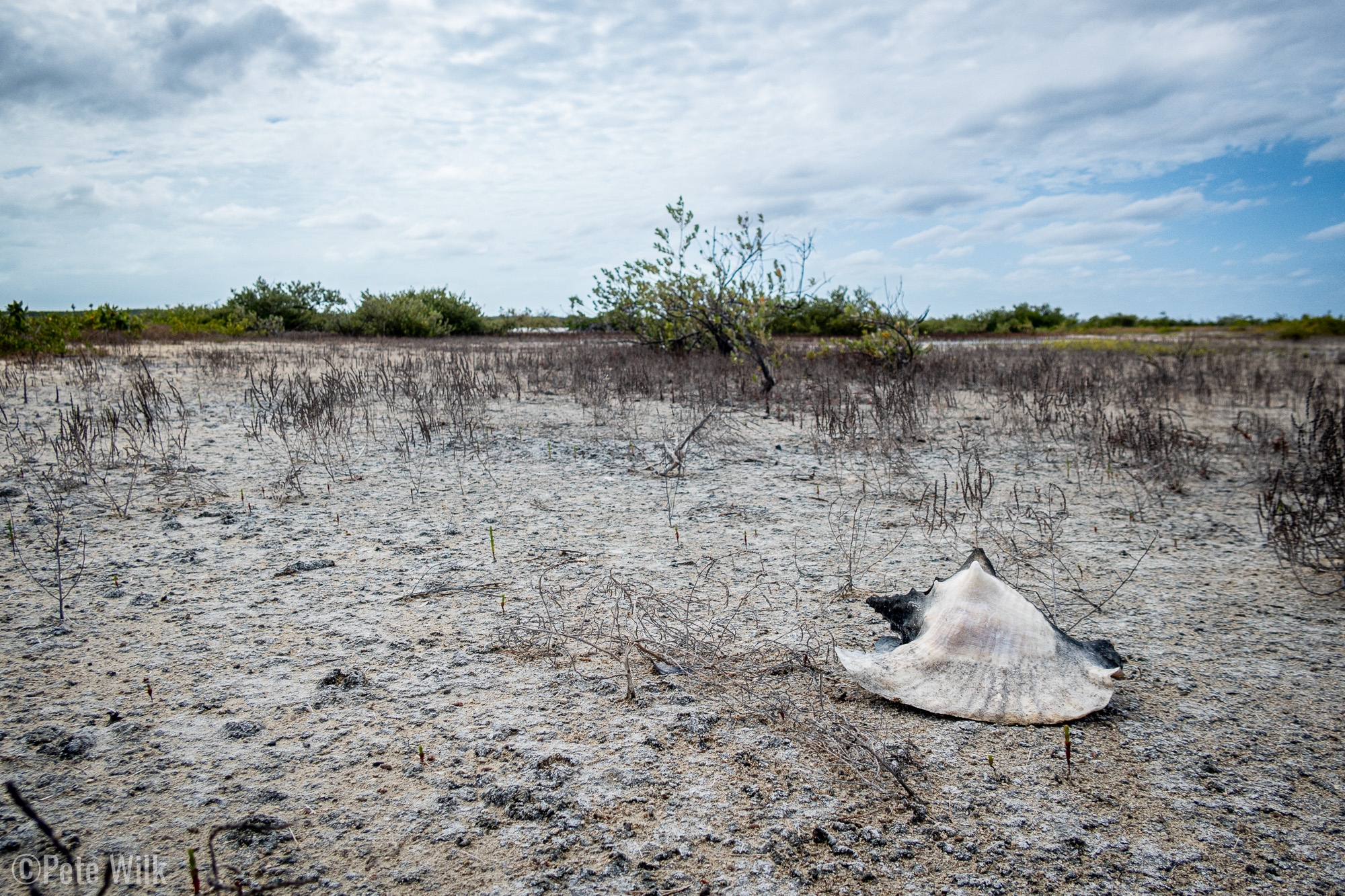
Every so often you step into a soft patch and sink halfway up your shin in muck. Other areas were firmer, and occasionally we’d cross sections where the bottom felt almost like pavement — thin sand over limestone. Those spots were easy walking, but they rarely seemed to hold many fish.
Regardless of the terrain you’re always sloshing through warm water.
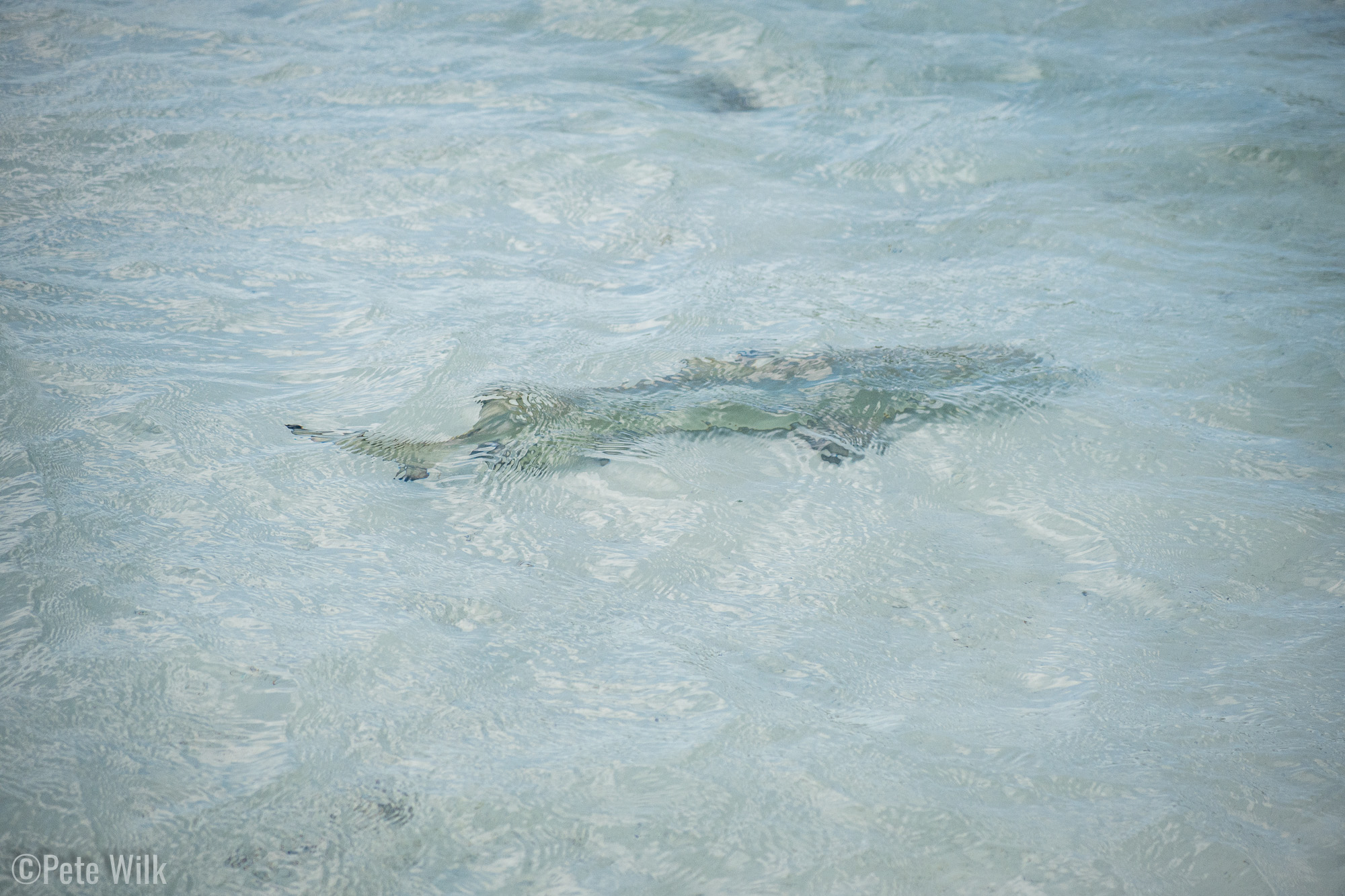
And every once in a while you remember there are also sharks around.
Most of the ones we saw were small — maybe two to three feet long — and generally uninterested in us. Still, it’s a strange feeling to glance down and see one cruising around 20 ft away while you’re focused on fish.
A couple times I had to slap the water with my rod to encourage them to move along.
Much of our days settled into a rhythm: paddle out from the house, walk the flats searching for fish, paddle again to a new area, then repeat.
Tying-In to Bonefish

When we were lucky in the mornings we occasionally saw fish tailing. This is when bonefish tip downward while feeding and their tails or backs break the surface of the water. It’s one of the easier ways to spot them, especially from a distance.
Often they traveled in small schools of three to five fish, sometimes more, sometimes just a single cruiser moving slowly along a flat.
On the first day I was able to hook my first bonefish in the afternoon. Jeremiah had been catching a few and called me over.
I spotted a fish not far away and, despite being upwind, managed to get a cast close enough that the fly dropped somewhere in its line of travel.
Bonefish have a reputation for being incredibly fast and strong for their size, and that reputation is well earned.
As soon as the fish ate and I strip‑set the hook it took off. Line shot through the guides and within seconds it was deep into the backing on the reel.
For someone more accustomed to trout streams, that moment was pretty wild.
After a few minutes of trying to find the right balance between reel drag and rod pressure I was able to bring the fish in close enough to land it, pop the hook out, and release it.
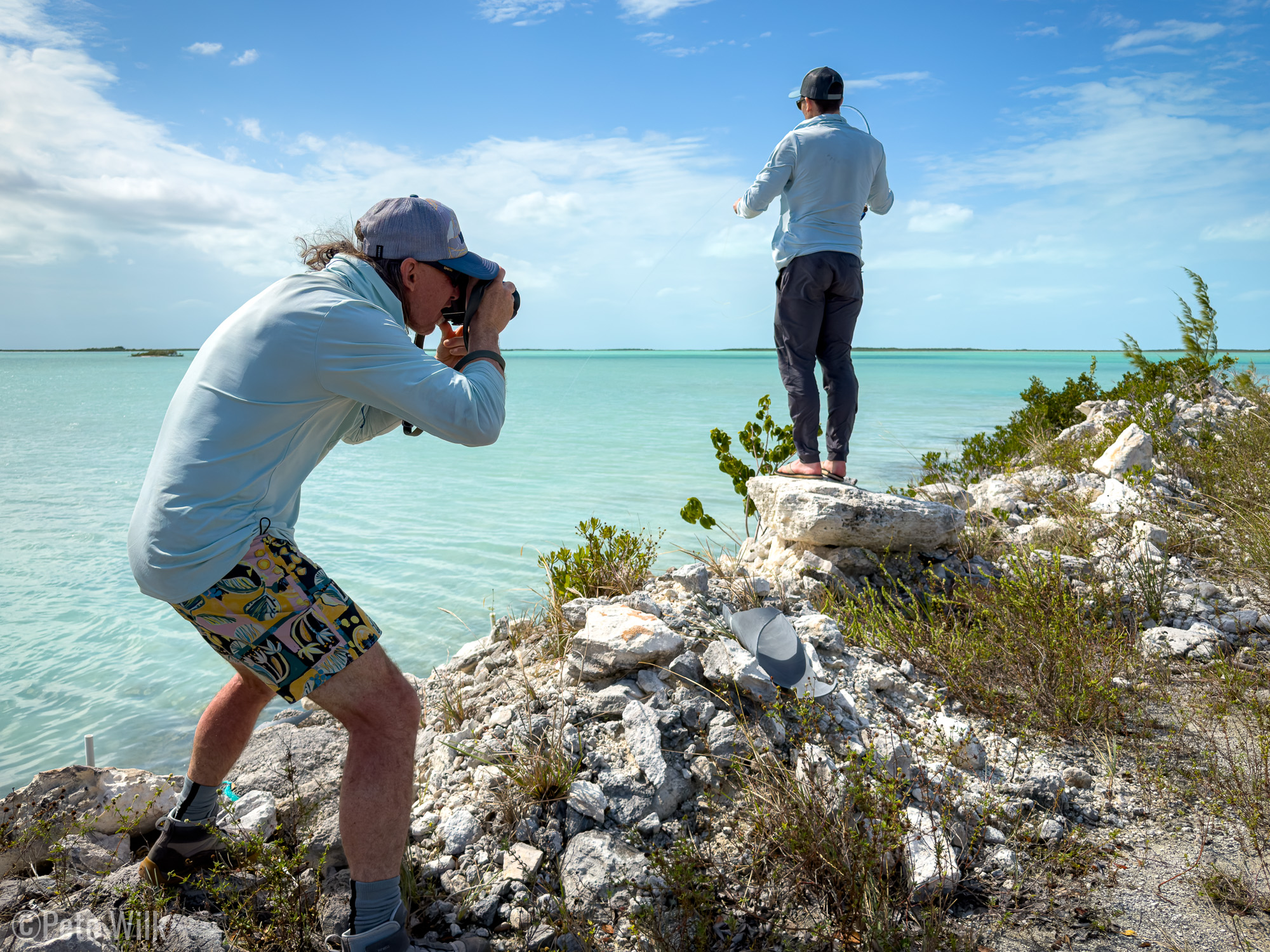
I was also pretty happy that Jeremiah managed to get a few photos of it before it swam off.
It wouldn’t be the last fish of the trip, but it was definitely the one I’ll remember most.
The Rhythm of the Trip
The following days settled into a pretty similar rhythm.
Up early. Paddle out. Hunt for fish across the flats. Back to the house for lunch and a break during the brightest part of the day. Then back out again in the late afternoon before sunset.
I wasn’t always as lucky as that first day and logged a number of outings where I never hooked a fish. But even when the fishing was slow, being out there wandering the flats was rewarding in its own way.
The middle third of the trip brought some less-than-ideal weather. More wind than we wanted, patchy overcast skies, and occasionally a bit of rain.
Rain actually wasn’t much of a problem. But wind and clouds make spotting fish much harder. Bonefish could easily be swimming fifty feet away and you’d never see them.
Because of that we had a handful of shorter fishing days where we simply couldn’t see well enough to make it worth grinding across the flats.
Exploring the Islands
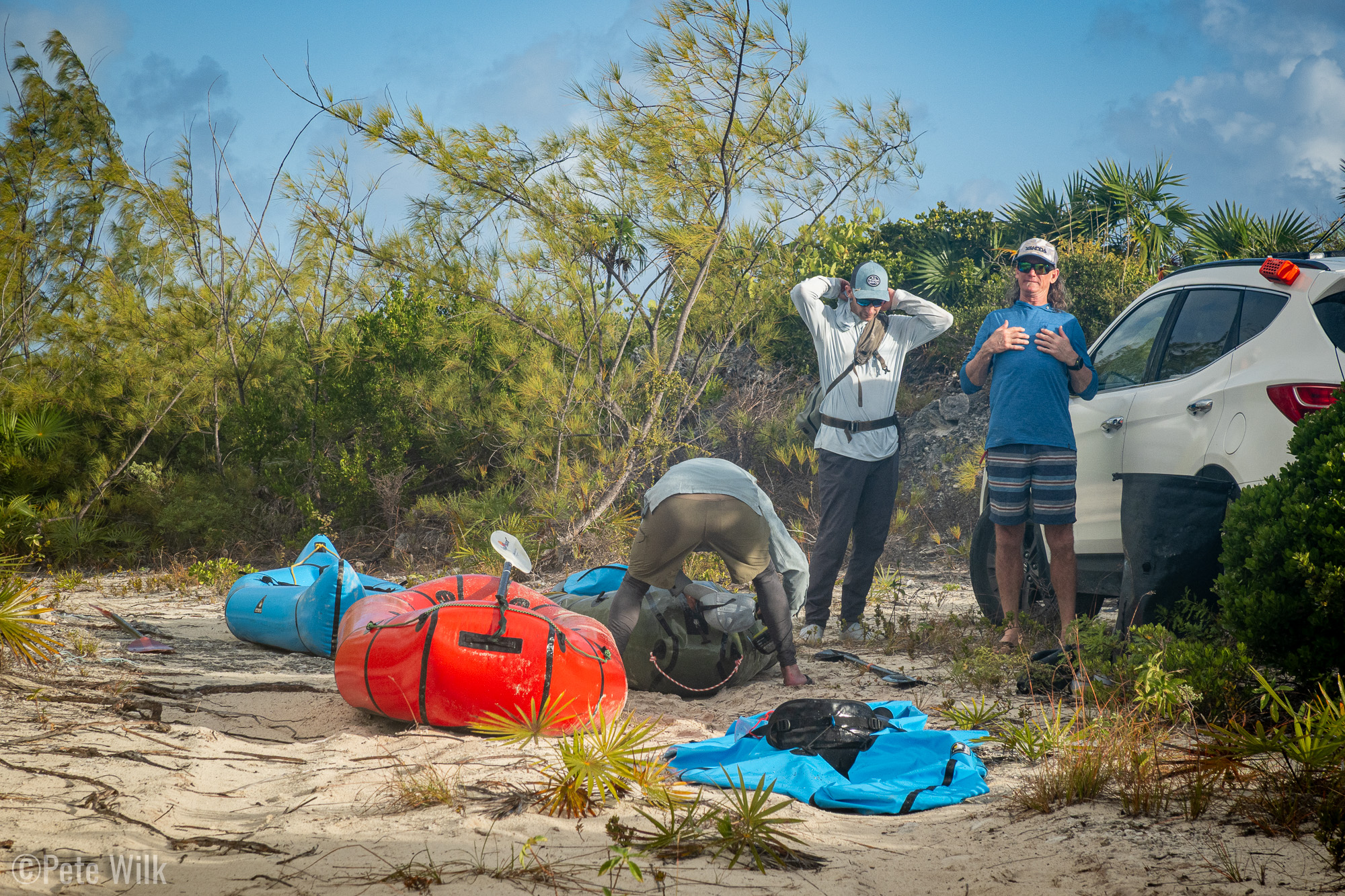
To try to stay out of the worst of the wind we bounced around between different parts of North and Middle Caicos looking for more protected water. Each area had its own personality.
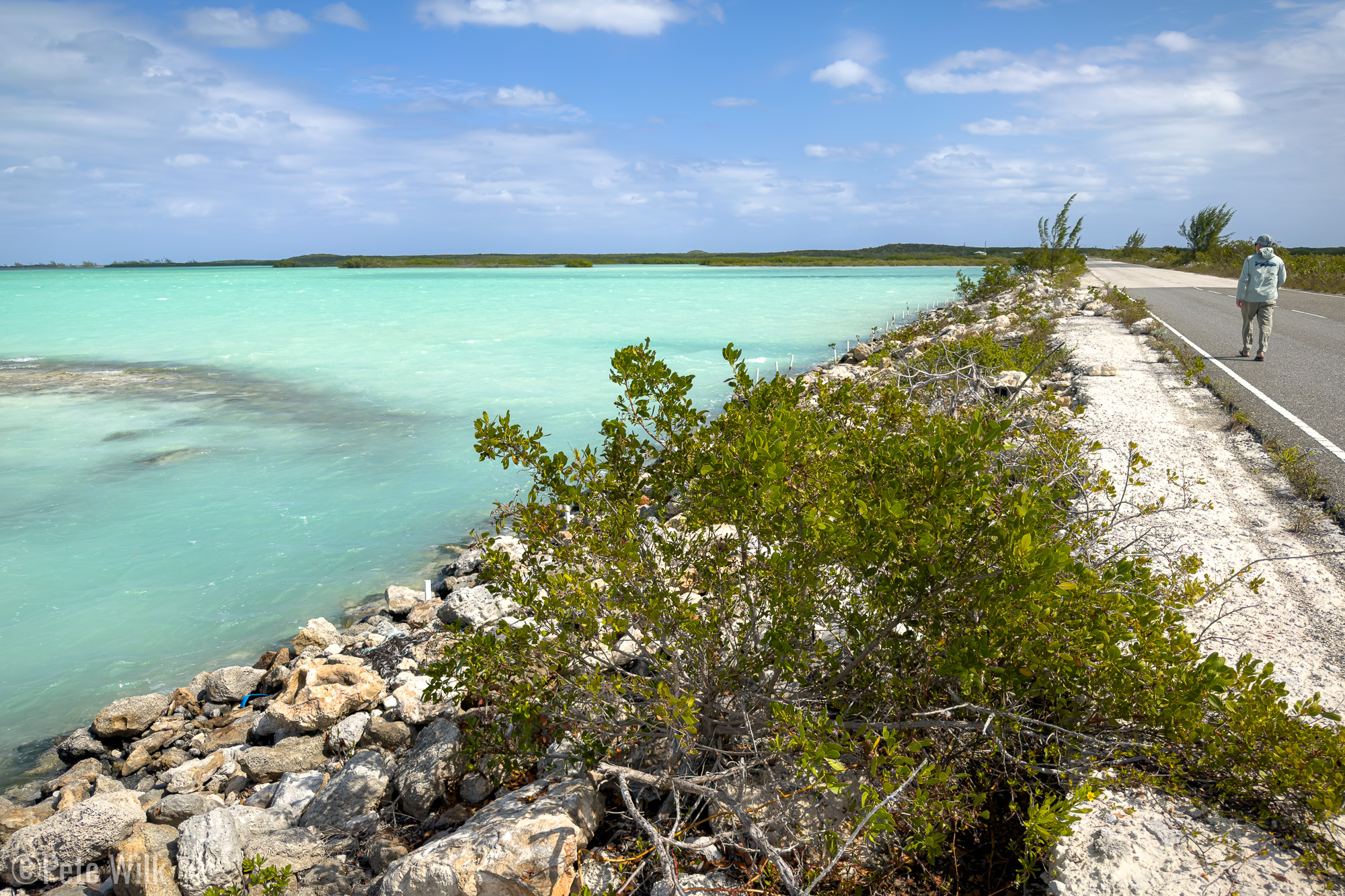
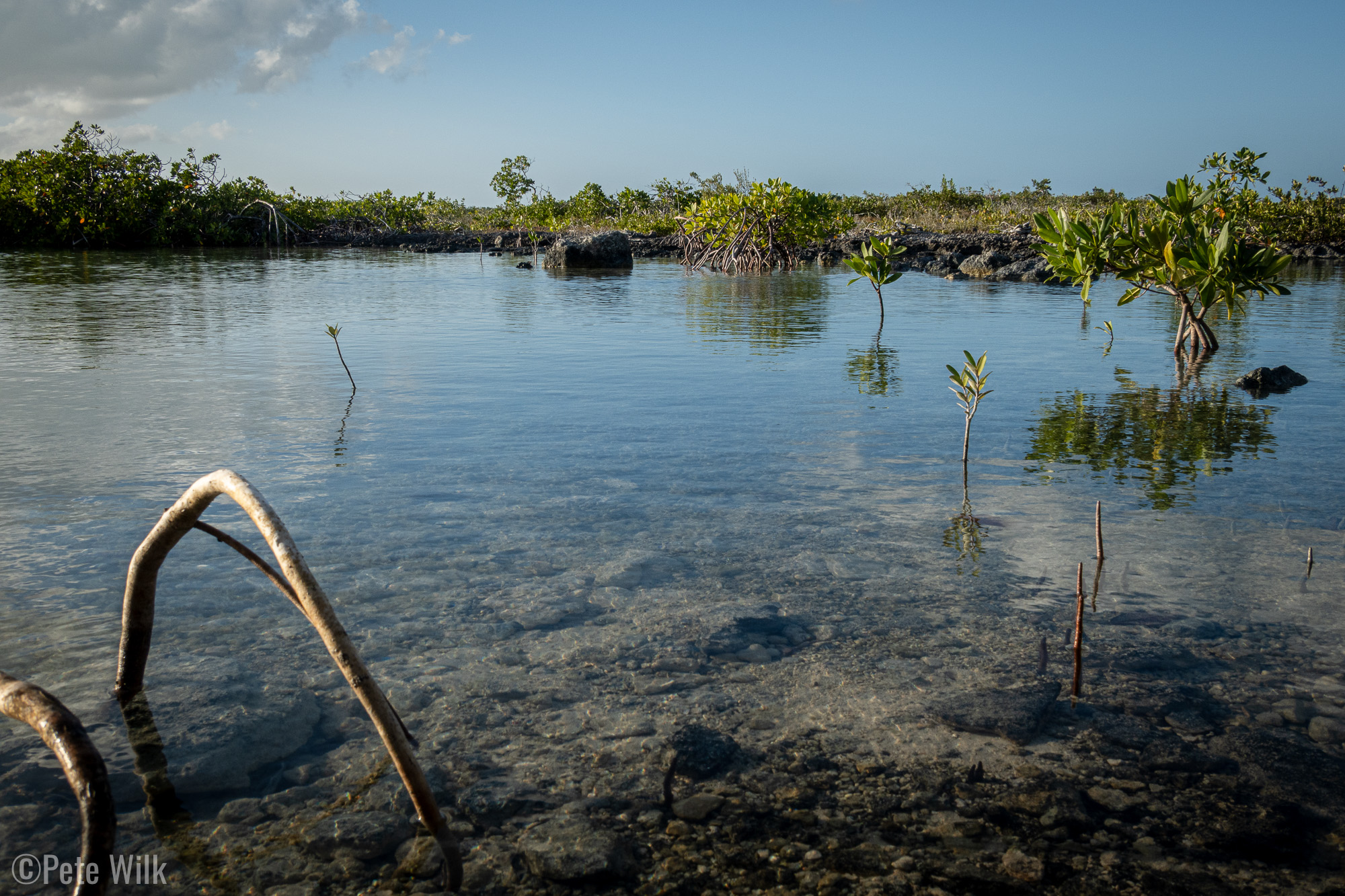
One spot, Wild Cow, is literally the end of the road on the island and required a bit of off-roading to get close enough to launch the boats. Out there the flats opened up into a deeper channel bordered by long sandbars, with little pockets and winding channels threading through the mangroves.
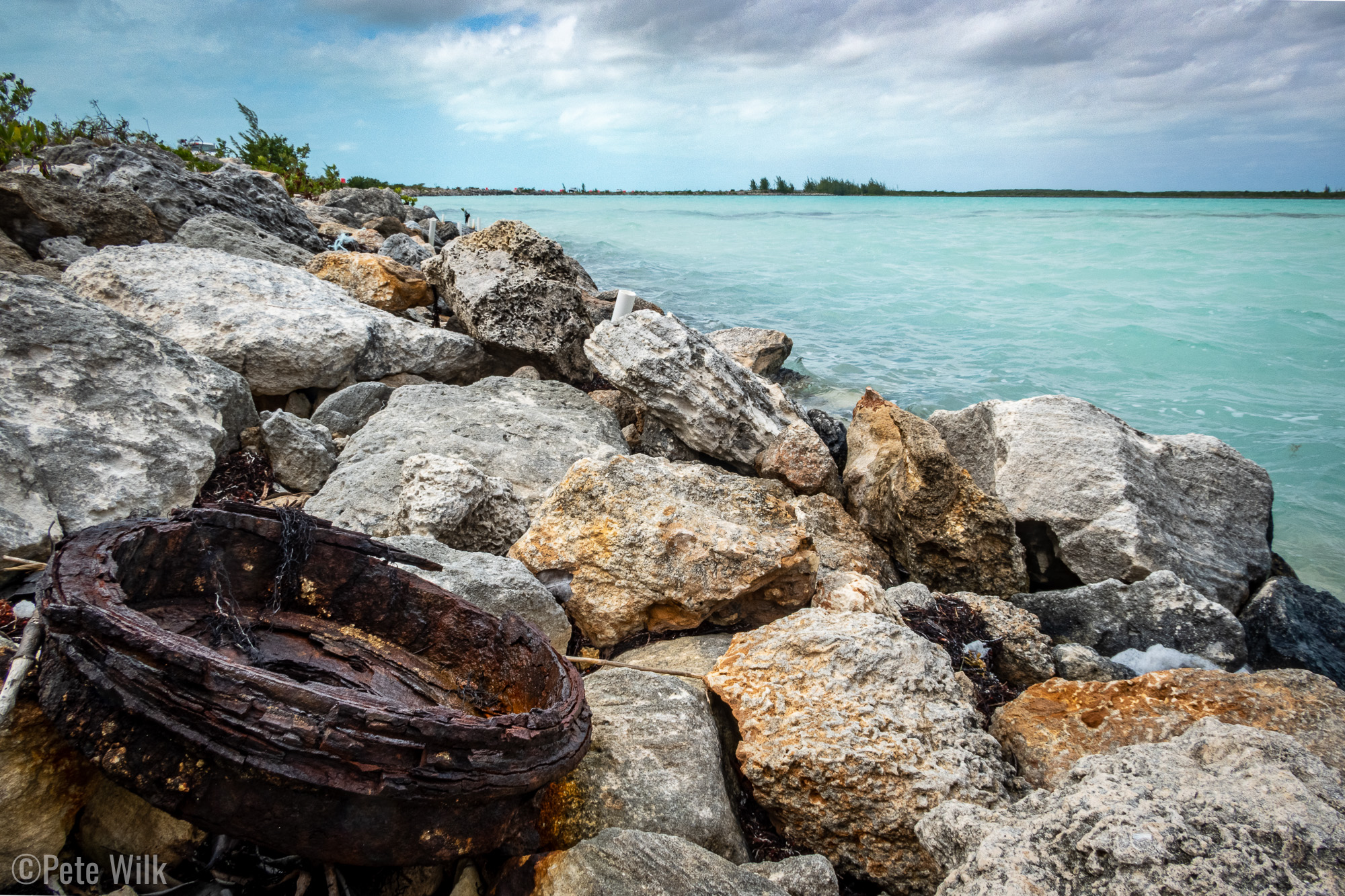
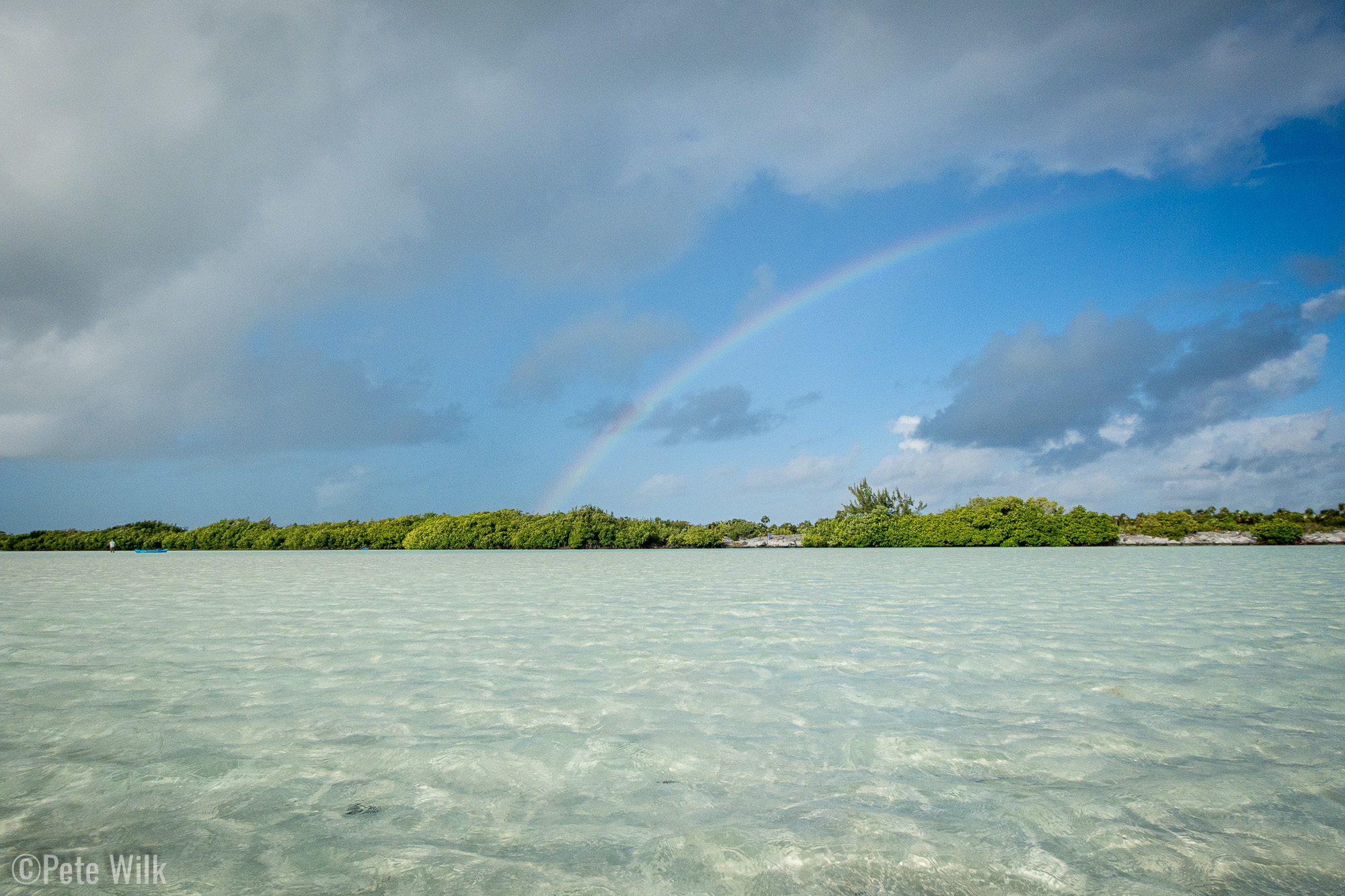
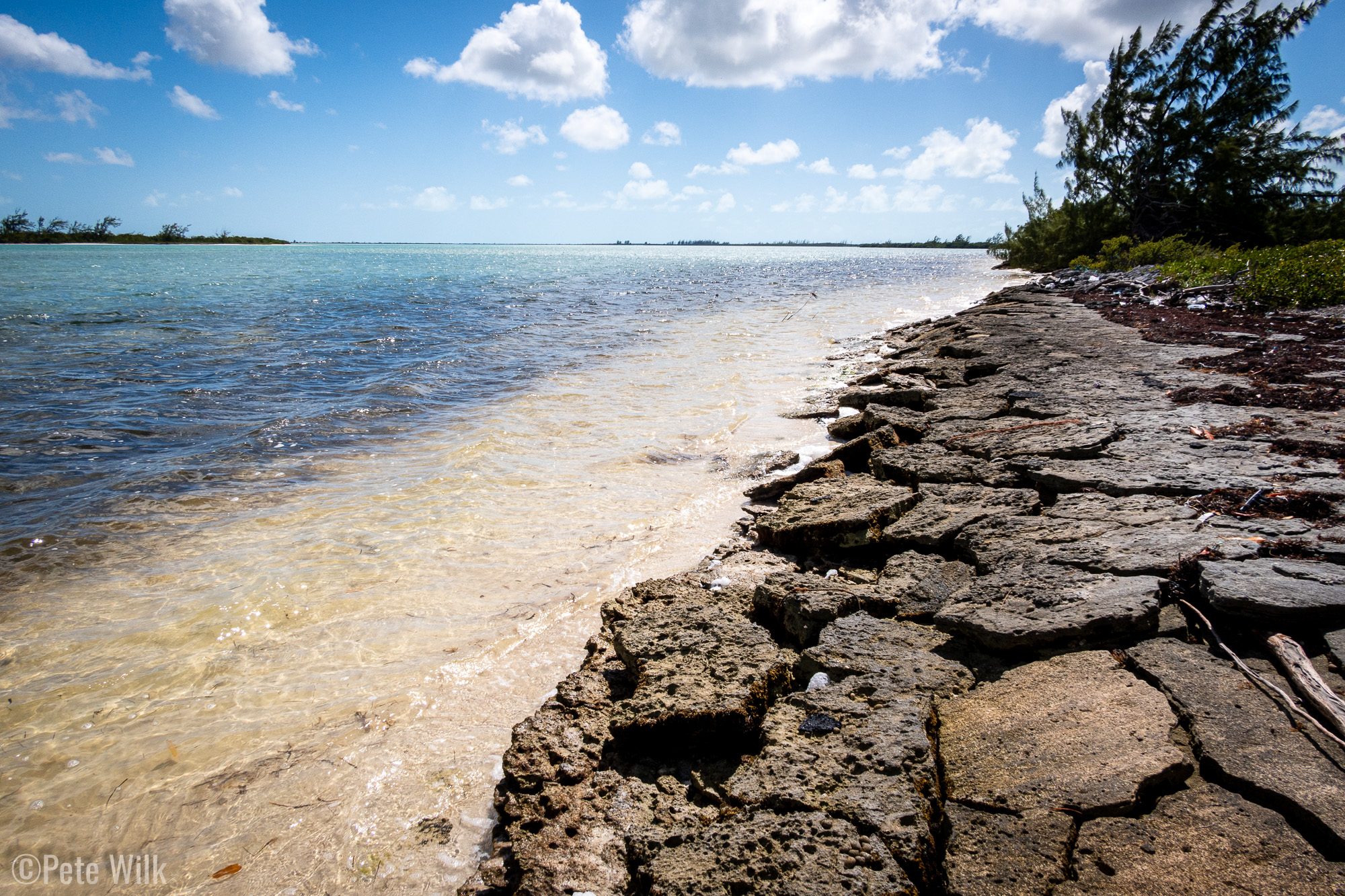
The causeway area was different. Narrow mangrove channels led out into broad shallow flats with views toward the open ocean. In the distance you could see waves breaking over the barrier reef.
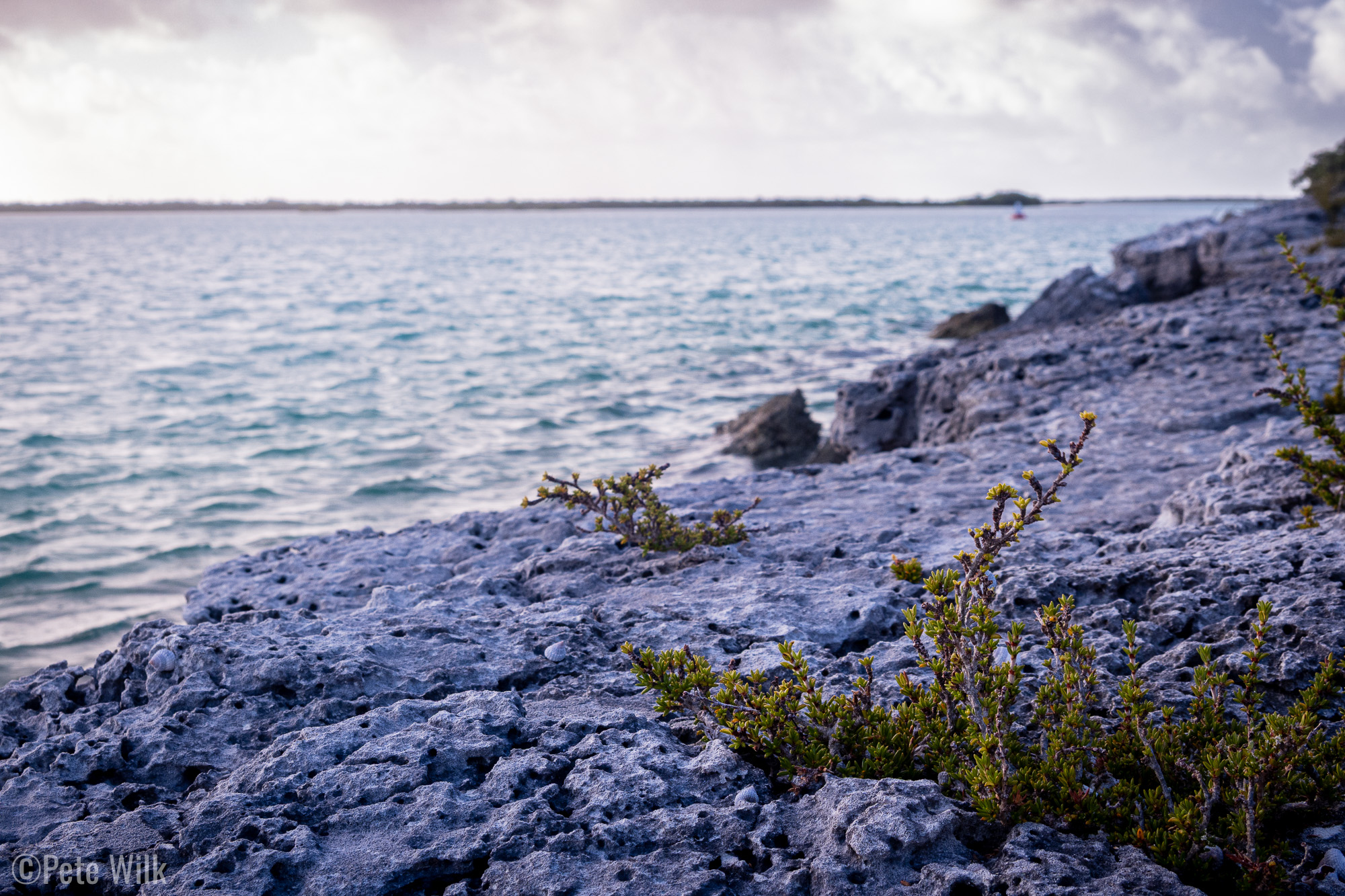
Scattered along that coastline were small limestone islands with large caves opening directly to the sea. They looked like they would be fascinating to explore someday with a bigger boat.
Jeremiah and I walked a massive, beautiful flat that seemed like it should have been full of fish. For whatever reason we never saw many that afternoon.
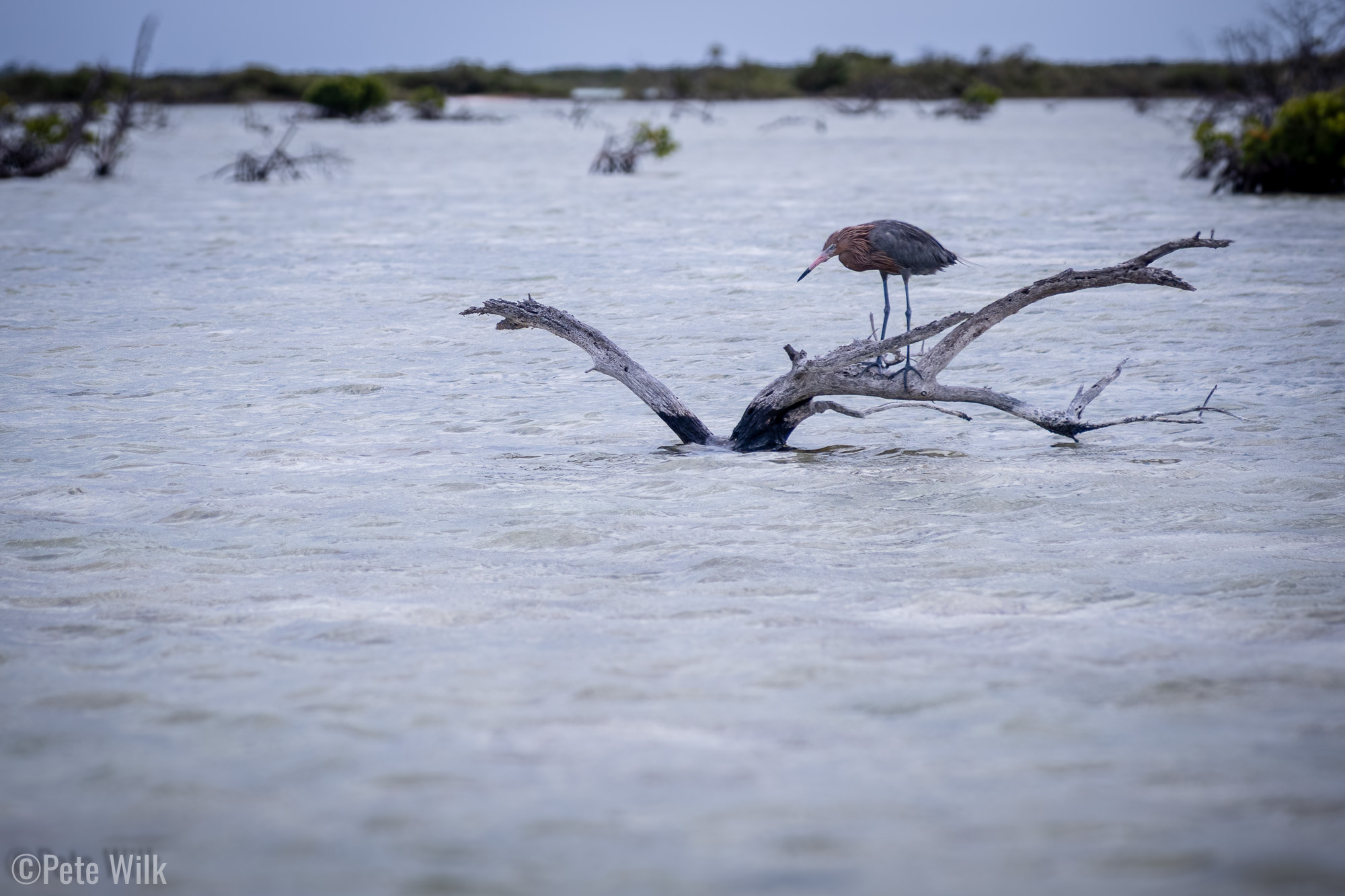
But even on days when the fishing was slow there was always something to see — birds working the shoreline, stingrays gliding across the sand, and sea turtles surfacing occasionally for air.
The turtles were especially fun to watch. Some were tiny, maybe the size of a saucer, while others were more like a dinner plate or even a trash can lid.
I never realized how fast they could move underwater when they decided they didn’t want company. Every once in a while one would pop its head above the water for a quick look around before disappearing again beneath the surface.
Finding the Groove

The last few days of the trip the weather improved. The wind was still there, but the clouds started to break up and the sun returned more consistently.
That made a huge difference.
With better light and calmer water it suddenly became much easier to see fish moving across the flats. Subtle shadows, faint movement, or a slight change in color on the bottom would give them away.
By that point I also felt like I was finally starting to get the hang of bonefishing.
On our last big outing we paddled farther from the house than we had most of the week, working our way out toward a long stretch of flats that had looked promising on earlier days.
With a bit of help from Kyle pointing out fish now and then, things started to click. I began spotting fish earlier and setting up casts before they were already on top of me.
Seeing a bonefish from well outside casting range gives you time to get organized — strip some line off the reel, get the fly positioned, and think about where the fish is heading rather than where it is right now.
A couple times I was even able to make a small adjustment cast to drop the fly into a better position.
Watching a fish notice the fly and suddenly accelerate toward it is pretty unforgettable.
A quick strip-set — and then hold on!
The fish bolts, the reel starts screaming, and within seconds the line disappears and you’re deep into the backing again.
By the end of that last day it finally felt like things were starting to come together. Not that I had it figured out, but definitely feeling a bit less of an amateur.
Huge thanks again to Jeremiah, Kyle, and Bruce. Loved the help from Patagonia, Winston Rods, Bauer Reels, Alpacka Rafts, and Turtlebox Speakers, too.
Quite the adventure — and definitely not the kind of trip I would have expected to find myself on a few weeks earlier.